
Skip to Today's News

Nikon vs Canon vs Sony Full-Frame Mirrorless Mirrorless vs DSLR
Canon: EOS R1 R3 R5 II R5 R5C R6 III R6 II R6 R6V R R8 II R8 RP R7 R10 R50 R50V R100 V1 G7X III 1DX III 1DX II 5DS/R 5D Mk IV 6D II 90D SL3 T7 T100 ELPH 360 HS A Flash Lenses
Canon EOS R7 vs R10 vs R50 vs R100 more Canon comparisons
Nikon: Z9 Z8 Z7 II Z6 III Z5 II Z5IIC Z6 II Z5 Zƒ ZR Z ƒc Z50 II Z50 Z30 D6 D850 D780 D500 D7500 D3500 Z DSLR 35mm Flash Lenses Best Nikon Lenses
Sony: A9 III A1 II A1 A9 II A7R VI A7R V A7R IV A7 V A7 IV A7 III A7S III A7CR A7C II A7c FX3 FX2 ZV-E1 A6700 A6600 A6400 ZV-E10 II ZV-E10 ZV-1 II RX1R III RX10 V RX10 IV RX100/7 Flash Lenses
Fujifilm: GFX100RF GFX 100S II GFX 100 II GFX100 GFX50R X100VI X100V X100F X-T30 III X-E5 X-H2 X‑H2s X-T5 X-T50 X-M5 X‑T30 X-S20 Film Lenses
LEICA: Q3 43 Q3 Mono Q3 Q2 Q2M M EV1 M11-P SAFARI M11-P M11M M11 M10-R M10M M10P M10 M240 M-E M9P M9T M9 M7 M6/TTL CLE M3 IIIf IIIa SL3 P SL3-S SL2 SL2 S Lenses
OM SYSTEM: OM-1 Mark II (guide) OM-1 (guide) OM-3 M.Zuiko ED 90mm f/3.5 IS Olympus
All Reviews: Apple 17 Pro Max Viltrox Audio Contax HASSELBLAD Sigma Tamron Tokina Pentax Zeiss
Take Better Pictures How to Shoot Film Recommended Cameras Best Cameras Gifts random page
Links: Adorama Amazon B&H Crutchfield eBay KEH Camera Radiant Photo Luminar Neo How to Win at eBay Tutorial Videos Think Tank Infrared
B&H's Used Department Adorama's Daily Deals Amazon's Deals-of-the-Day
Crutchfield's Sales B&H Holiday Kit Specials B&H's MEGA Deal Zone B&H's Deal Zone B&H Holiday Deals: MacBook Pros, Fuji Cameras and Oben Tripods
My junk-free, all-content website's biggest source of support is when you use those or any of these links to the places I use myself when you get anything, and it costs nothing more. I've bought from these places for over 100 combined years because they have the best service, the best selection, the best prices, and usually 100% cash-back returns for at least 30 days if you don't love your new goodies. As an Amazon Associate and eBay Partner Network Affiliate, I earn from qualifying purchases. Thanks for helping me help you! Ken.
|


|



24 September 2026, Thursday

Nikon Z5 IIC (24.9 oz./705 g with battery and SD card, $1,397) and Z 24-50mm f/4-6.3. bigger.
NEW: Nikon Z5 IIC.
22 September 2026, First Day of Autumn
$700 Off: Nikon Z8: $3,597.
$700 Off: Nikon Z8 & 24-120mm f/4: $4,497.
$500 Off: Nikon Z6 III & 24-120mm f/4: $3,097.
$400 Off: Nikon Z7 II: $2,097.
$400 Off: Nikon Z7 II & 24-70mm f/4: $2,697.
$150 Off: Nikon Z5 II & 24-105mm: $2,047.
19 September 2026, Friday
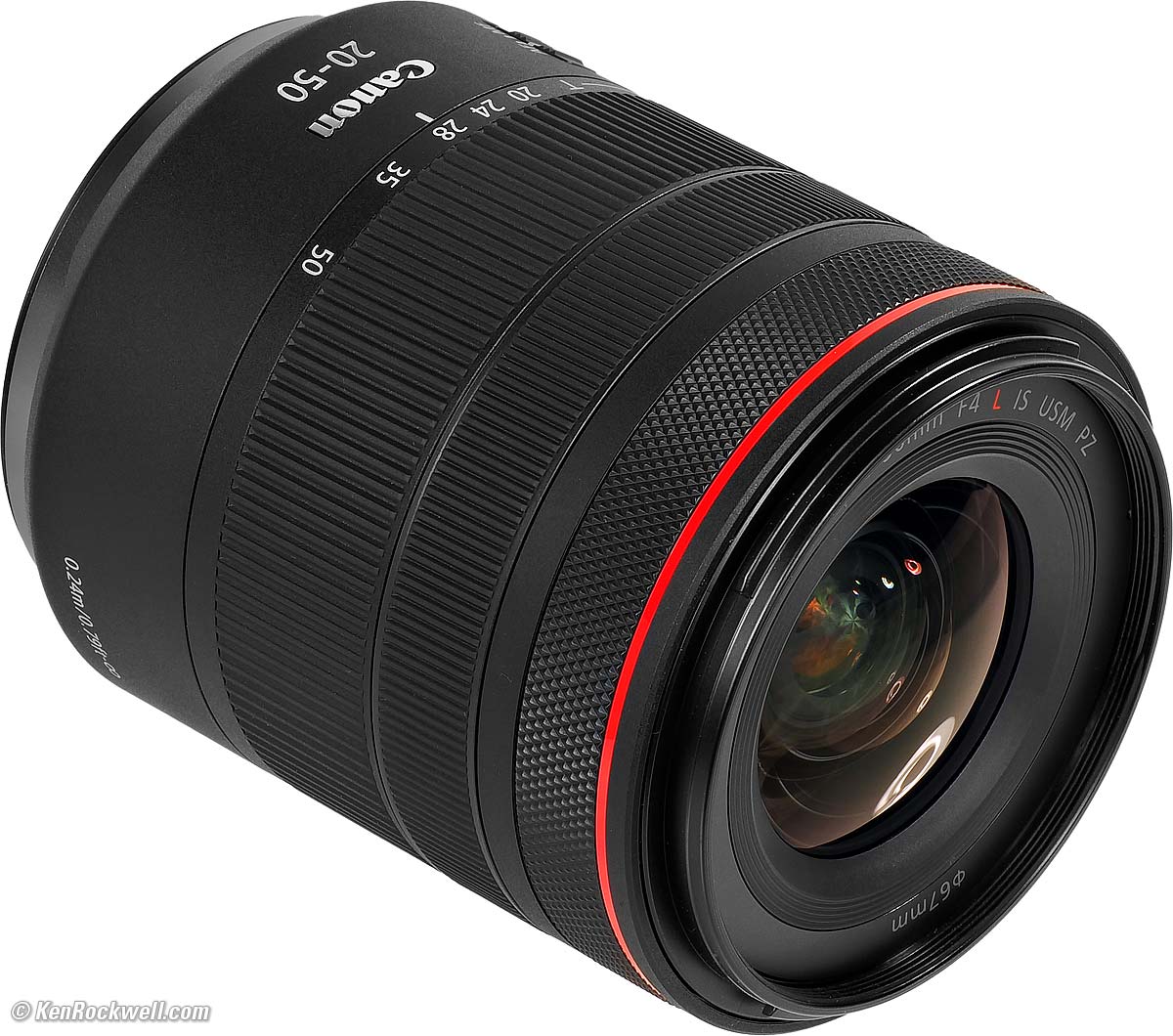
Canon RF 20-50mm f/4L IS USM PZ.
New: Canon RF 20-50mm f/4L IS USM PZ Review & Sample Images.
New: iPhone 18 Pro Max.
I've got my new iPhone 18 Pro Max in my hot little hands. I shot this in my studio before I started the transfer, and it's going to be quite a while until I get all my data transferred to it. Hopefully I'll have it up and be out shooting tomorrow.
How to Transfer All Your Data, Photos and Videos to a New iPhone from my iPhone 17 Pro Max Guide, and so far it all applies to my 18 Pro Max:

Someone's Watching Me: Rockwell's iPhone 18 Pro Max. bigger.
You all know I really want the iPhone Duo, but as a photographer it's obvious that the Duo is for content consumers, while the 18 Pro Max is for Creators. The Duo has a much simpler camera system, lacking the telephoto 4× and 8× camera I use for half my shots.
Maybe this is why I heard that Verizon may be able to provide magic phone tracking where I can have two phones both respond to the same number, much as my various Apple Watches wake up and connect to my iPhone so I can use more than one just by picking it up.
I also got my AirPods 5 with Wireless & USB-C Charging Case:

Rockwell's AirPods 5. bigger.
New: AirPods 5 with USB-C Charging Case.
New: AirPods 5 with Wireless & USB-C Charging Case.
I'll be having a full review, as well as on my new Apple Watch ULTRA 4. First I have to get my iPhone and 'pods all configured, then I can deal with setting up my new watch to the new iPhone.
18 September 2026, Friday
New Camera Support Goodies from Oben
New: Oben Granite Series SPGH-100 Tripod Gimbal Head for Smartphones.
New: Oben Granite Series MTTAC-13 Aluminum/Carbon Fiber Mini Tripod with Ball Head.
New: Oben Desk Mount Camera Arm.
$170 Off (open box with full new warranty): Sony A6700: $1,320.
17 September 2026, Thursday

Canon EOS R8 Mk II and RF 24-50mm IS STM. bigger.
NEW: Canon EOS R8 Mk II Review.
Ends Tomorrow: 10% off sale at KEH Camera.
Use code ML10. Not everything is on sale and there's limited stock, but plenty of good deals on used gear.
16 September 2026, Wednesday
NEW: Canon EL-5 v2.
New: Panasonic Lumix S Full-Frame 20mm f/2.5, also in silver.
Ultracompact ultrawide: 5 oz. (142 g)!
15 September 1981, Tuesday
New: Sony FE 400mm f/4.5 GM, also at Adorama.
New: Sony FE 600mm f/6.3 GM, also at Adorama.
New: AirPods 5 with USB-C Charging Case.
New: AirPods 5 with Wireless & USB-C Charging Case.
I ordered a set for review. These are unsealed, active noise-cancelleing 'pods. I reviewed the sealed AirPods Pro 3 last year.
12 September 2026, Saturday
Skylum Luminar 20% Off Sale: use secret code "Ken20"!
Good through 20 September 2026.
What's the Difference Between Radiant, Skylum Luminar and Photoshop?
Radiant
Radiant, née Perfectly Clear (my apologies, photo software companies are always renaming things for no good reason, confusing all of us), makes most photos look better and brighter. Radiant is what I use on almost every photo. It makes photos look the way I want them to look, adding detail in shadows and highlights all around.
Radiant also makes it easy to improve portraits, smoothing skin and whitening teeth.
Radiant was born for minilabs to make every photo look better, and leave the perfect ones alone.
Radiant Review or get Radiant.
Skylum Luminar
Skylum Luminar, née Neo (my apologies again, photo software companies are always renaming things for no good reason, confusing all of us), is for when I want extreme effects and editing-out distracting objects, adding deliberate vignetting, over-saturating colors to extreme and all sorts of other shenanigans like adding awesome skies that weren't actually there.
Skylum Luminar review or get Luminar.
Skylum Luminar is for when I want to make a photo go wild, either to amp-up a dull photo or add clouds or whatever:
As shot:

Dull sky and dull light, with an empty black foreground. Yawn! bigger.
After Luminar:

Half Dome in Last Light, Cook's Meadow, Yosemite National Park, California, 5:59 P.M., 17 October 2022. Canon EOS R6, RF 24-240mm IS USM at 83mm, f/8 hand-held at 1/60 at Auto ISO 100, -2/3 stops exposure compensation (LV 12.0). More tech details. bigger.
I use both all the time; Radiant for almost every photo and Skylum Luminar at least a few times for some of the work I create on any photo trip.
Photoshop
I use Photoshop for absolutely everything, especially the technical needs to optimize images for publication here, changing image sizes and formats, layering text and adjustment layer masks and everything else. I use Radiant and Skylum Luminar as plug-ins to Photoshop.
Everything you see everywhere on this site has been through Photoshop just to get it to fit on these pages.
I ONLY shoot JPG. All these programs, even Adobe Camera Raw, work natively from JPG files, letting me alter exposure, improve white balance and highlights and shadows afterwards. Today, everything I need is in my JPG files. I've never shot raw, except in my LEICA M9 which has such awful color rendition that the only way I was able to get usable color was to shoot raw files and then fiddle with the colors in Apple Aperture 3.
New at Crutchfield: Sony FE 100-400mm f/5.6-8 OSS.
09 September 2026, Wednesday
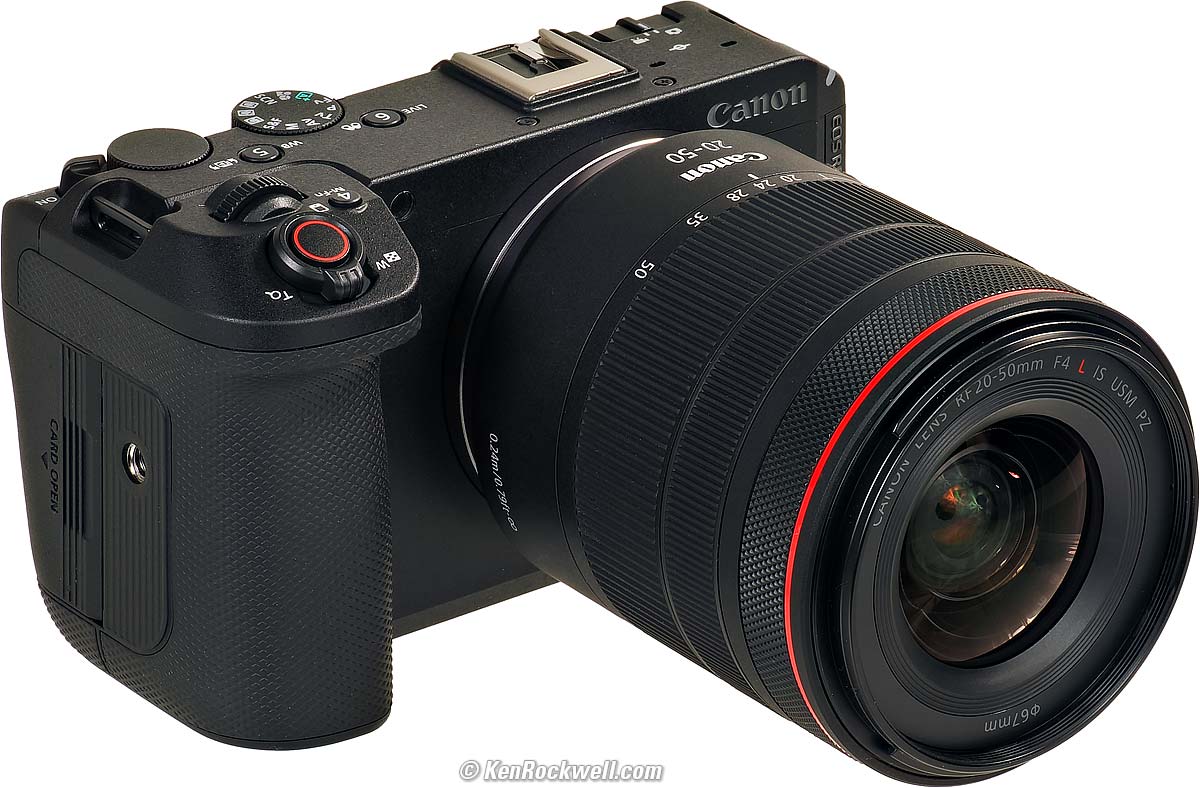
Canon EOS R6 V and RF 20-50mm f/4L IS USM PZ.
New: Canon EOS R6 V Review & Sample Images.
New: OM SYSTEM PEN, also comes in black, and also at Adorama.
Brilliant inexpensive little 20 MP IBIS camera with an electronic finder, usually missing on cameras this small.
New: OM SYSTEM 14-42mm III (28-85mm eq).
New: OM SYSTEM PEN & 14-42mm III kit ($250 off).
New: OM SYSTEM PEN, 14-42mm III & 40-150mm kit ($290 off)
08 September 2026, Tuesday
New: Sony 8-14mm f/3.5 G Fisheye, also at Adorama.
Order now and it should ship 15 October 2026.
It covers full frame and/or APSC.
It makes a circular ball in the middle of full frame at 8mm and fills full frame at 14mm.
New: Sigma Full-Frame 20-60mm f/2.8-4 for Sony E and Panasonic/Leica, also at Adorama.
New: Sigma 85mm f/1.2 for Sony E and Panasonic/Leica, also at Adorama.
$100 Off: Canon RF 20mm f/1.4L VCM: $1,799.
$100 Off: Canon RF 85mm f/1.2L USM DS: $3,299.
I love DS! DS is the smooth-bokeh version with a light-robbing apodization filter for magically smooth bokeh at f/1.2. The DS is not the unfiltered standard version used for low-light. Here they are compared.

$200 Off: Canon EF 50mm f/1.2L USM: $1,349.
I paid about $1,600 for mine twenty years ago when it came out. Works great on an adapter on mirrorless, while the RF 50mm f/1.2L has even better optics if you're using it on mirrorless.
$250 Off: Nikon Z5 II & Z 24-105mm: $1,947.
04 September 2026, Friday
NEW: Fuji XF 400mm f/4.5 R LM OIS WR, also at Adorama.
Fast, Lightweight 600mm equivalent!
From my R6 V
I'm still working on the review, and here are some snaps:

1988 Porsche 911 in Guards Red, 9:22 AM, Saturday, 29 August 2026. Canon R6 V in square-crop mode with RF 20-50mm f/4L IS USM PZ at 36mm wide-open at f/4 hand-held at 1/25 at Auto ISO 100, -0.7 stops exposure compensation (LV 11¼), Radiant Photo software to add light. bigger or camera-original 32 MP © 8.9 MB JPG file.

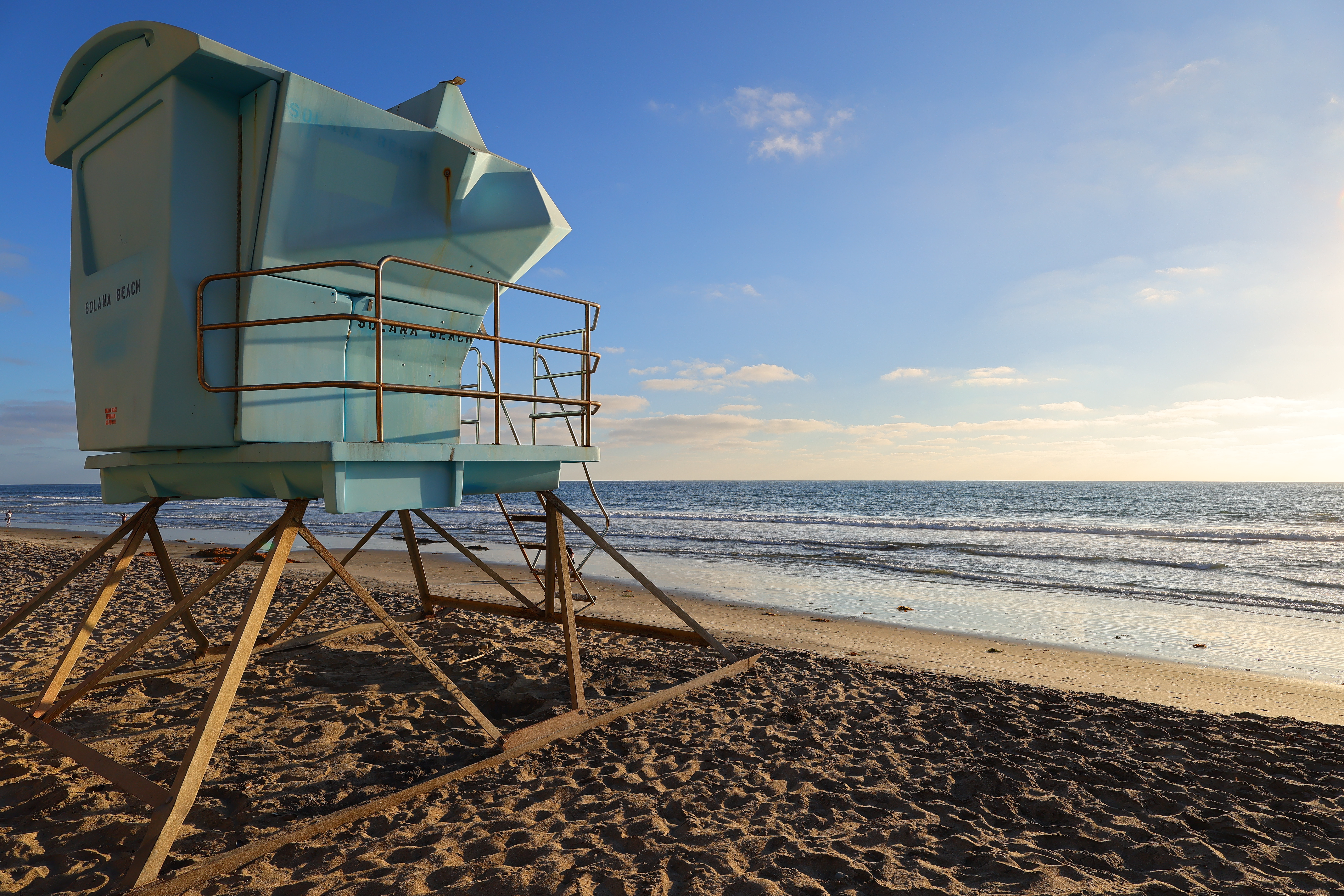
Lifeguard Tower, 6:18 PM, Wednesday, 02 September 2026. Canon R6 V with RF 20-50mm f/4L IS USM PZ at 20mm at f/10 at 1/400 at Auto ISO 100 (LV 15¼), Radiant Photo software to add light. bigger or camera-original 32 MP © 8.2 MB JPG file.


Sea Stone, 6:59 PM, Wednesday, 02 September 2026. Canon R6 V with RF 20-50mm f/4L IS USM PZ at 20mm at f/11 at 1/125 at Auto ISO 100, -0.7 stops exposure compensation (LV 11.6), as shot. bigger or camera-original 32 MP © 11.5 MB JPG file.

Since the R6 V has no finder ad we're always having to use the rear screen, it make encourages shooting from odd angles. This shot is from about a foot (30 cm) off the sand,making a small stone mound look huge.
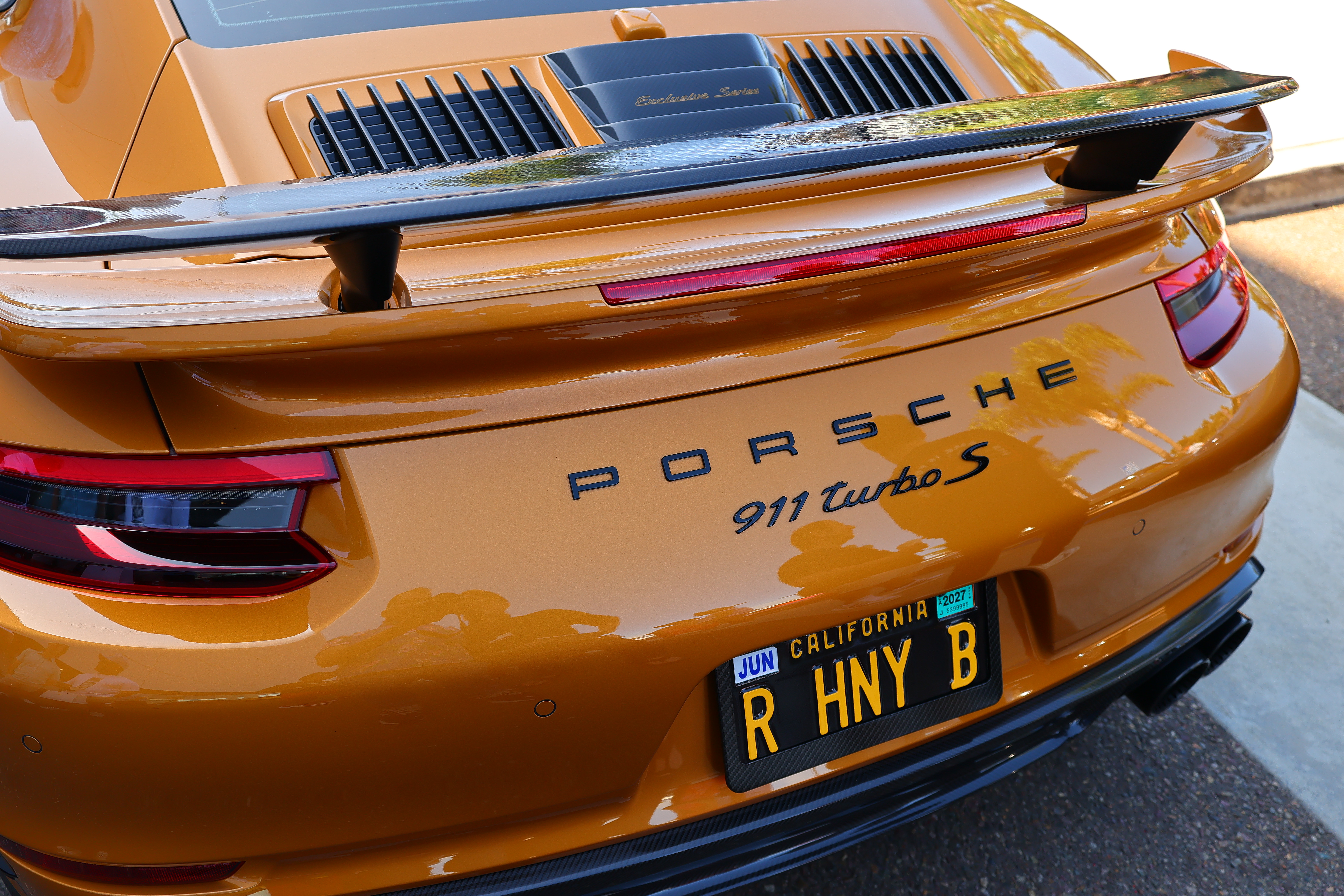
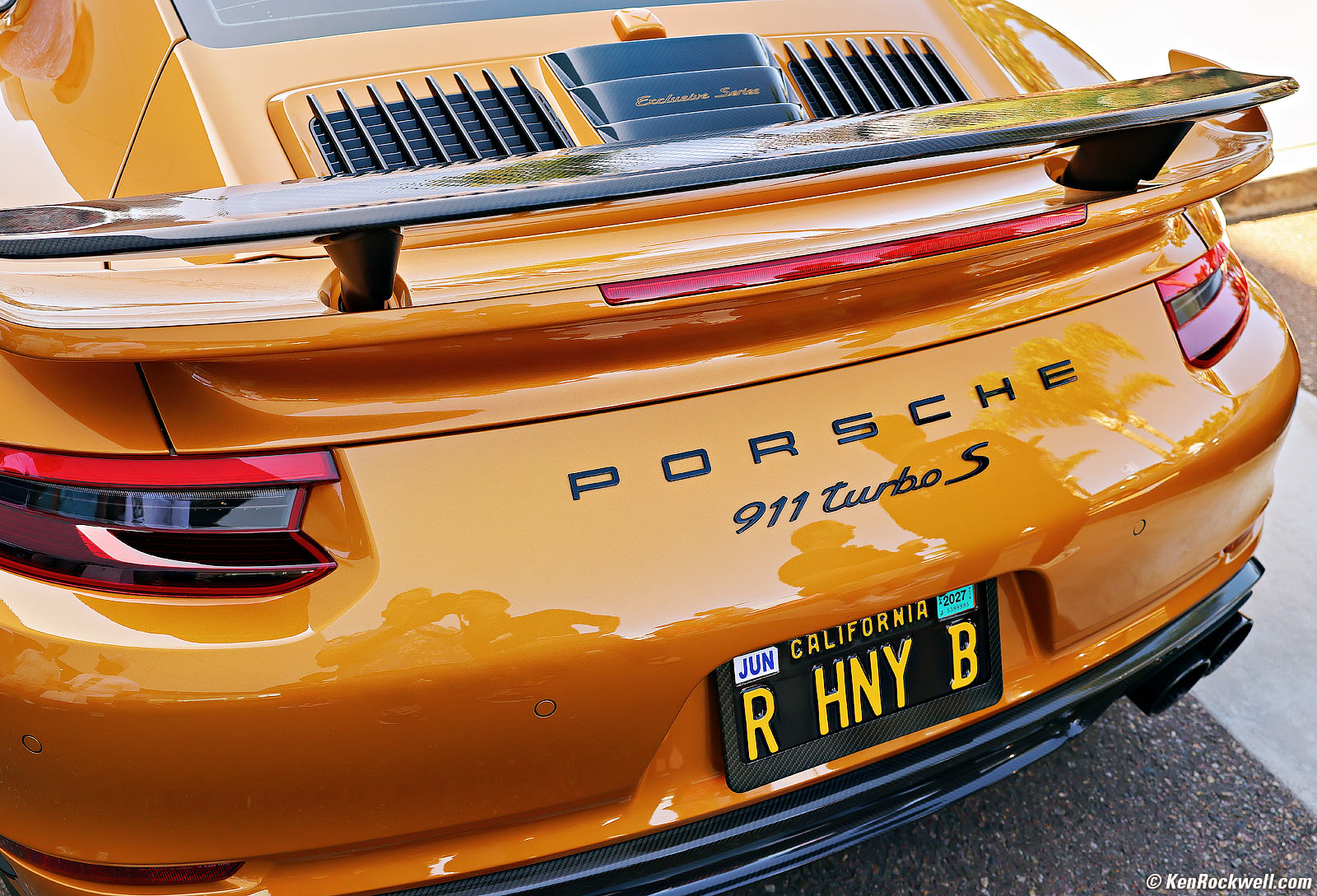
2018 Hand-Finished Porsche Exclusive Manufaktur 911 Turbo S (Sonderwunsch of 500) in Golden Yellow Metallic, 10:04 AM, Saturday, 29 August 2026. Canon R6 V with RF 20-50mm f/4L IS USM PZ at 31mm at f/5 at 1/100 at Auto ISO 100, -0.3 stops exposure compensation (LV 11¼), Radiant Photo software to add light. bigger or camera-original 32 MP © 6.6 MB JPG file.
03 September 2026, Thursday
$150 Off: Canon RF 24mm f/1.4 L VCM: $1,499.
$136 Off (scratch & dent with full new warranty): Nikon Z50II, 16-50mm VR DX & 50-250mm VR DX: $1,261.
$185 Off (open box with full new warranty): Sony A7R IV: $3,513.
01 September 2026, Tuesday
NEW: Megadap Autofocusing Anything (LEICA M) to Canon RF Adapter!

Megadap Autofocusing LEICA M to Canon RF Adapter on Canon R6 V.
It works! It lets us use any LEICA M lens on RF cameras. It's easy to get adapters to adapt anything else to LEICA M, so use a couple of adapters at once and we now can adapt anything to Canon EOS-R — with autofocus!
It has an internal motor and helicoid assembly so it makes any manual lens autofocus!
Crazier, we can adapt any SLR or DSLR or medium or large-format lens to LEICA M, so we can shoot any lens on Canon today, and it will autofocus!
But wait, there's more: For over 70 years we have used simple adapters to use any LEICA thread-mount lens on M, so these work, too.
I'll be reviewing this adapter in good time. Megadap has one of these to Nikon Z I reviewed back in 2020. This new adapter is slimmer.
More on adapting anything to mirrorless at Adapt Any Lens to Nikon Z.

LEICA SUMMICRON-M 90mm f/2 on Megadap Autofocusing LEICA M to Canon RF Adapter on Canon R6 V.
26 August 2026, Wednesday
NEW: Mac Mini M6 and Mac Mini M5 Pro, also at Adorama.
NEW: Mac Studio M5 Max & M5 Ultra, also at Adorama.
$1,600 off: Nikon AF-S 500mm f/5.6E PF ED VR: $1,997!!!
Works great on mirrorless with the FTZ/2.
$22 Off (scratch & dent with full new warranty): Canon EF to RF Lens Adapter: $128.
$37 Off (scratch & dent with full new warranty): Canon PowerShot ELPH 360 HSA: $342.
$50 off: Sony A6100: $798.
25 August 2026, Tuesday
RIP: Jay Maisel.
NYC photographic icon Jay Maisel just passed away at age 95.
He's been creating amazing images since at least the 1950s, with a fine art degree from Yale.
He once told me something brilliant as we walked around Manhattan some years ago. He pointed out that only difficult part of photography is seeing the picture in the first place, and I've been preaching that ever since.
RIP to the master.

Nikon Z50 II and Z 16-50mm f/3.5-6.3 DX VR.
I just updated pricing and kit information for the Z50 II. The price and the number of kit options have both increased since it was introduced:
I got mine as a kit with the Z 16-50mm f/3.5-6.3 VR DX at B&H:
$1,007, Z50 II body-only at B&H, at Crutchfield, at Amazon and at Adorama, or get it used at eBay if you know How to Win at eBay, or get it used at KEH.
$1,147, Z50 II kit with excellent 16-50mm f/3.5-6.3 DX VR as shown above at B&H, at Crutchfield, at Amazon and at Adorama.
$1,397, Z50 II system with both the 16-50mm f/3.5-6.3 DX VR and 50-250mm DX VR lenses at B&H, at Crutchfield, at Amazon and at Adorama.
$1,607, Z50 II kit with 16-50mm f/2.8 DX VR at B&H, at Crutchfield, at Amazon and at Adorama.
$1,683, Z50 II kit with 18-140mm DX VR at B&H, my favorite combination but oddly only seen at B&H.
$1,374, Z50 II kit with 12-28mm VR PZ DX only at B&H.
$1,304, Z50 II kit with 24mm f/1.7 DX only at B&H.
I prefer one do-everything Z 18-140mm VR DX lens rather then swapping between the 16-50mm and 50-250mm. I greatly prefer being able to zoom from wide to tele with a flick of my wrist rather than wasting time and missing pictures swapping between two lesser lenses. I much prefer not having to change lenses over having a slightly reduced range at the widest and longest ends. I'd order the lens separately along with the body, or ideally get them both with a package discount from B&H.
$300 Off: Canon EOS R8: $1,349.
$300 Off: Canon R8 & RF 24-50mm IS STM: $1,549.
$300 Off: Canon EOS RP: $849.
$50 Off: Canon RF-S 10-18mm IS STM: $319.99.
$100 Off: Canon RF 24-105mm f/2.8 L IS USM Z: $3,199.
$54 Off (scratch & dent with full new warranty): Canon R100 & RF-s 18-45mm IS STM: $496.
$40 Off (open box with full new warranty): Sony ZV-E10 & E 16-50mm OSS II: $758.
22 August 2001, Saturday
$115 Off (open box with full new warranty): Sony RX10 Mk V: $2,183.
$45 Off (open box with full new warranty): Sony ZV-E10 & E 16-50mm PZ OSS II: $853.
21 August 2026, Friday

New: Oben CQL-20 Magic Tripod.
This is the full-sized version of the travel-sized CQL-13 I got two years ago. This CQL-20 goes tall enough so we six-footers can have our cameras high enough to peer straight into their finders, and both versions set-up fast because just one twist locks or unlocks every section of each leg at the same time. Wahoo!
Snap from Last Night

Blue and Gold Macaw, 6:04 PM, Thursday, 20 August 2026. Cropped from Nikon Z50 II, Tamron 17-70mm f/2.8 at 70mm (105mm eq.) at f/5.6 at 1/500 at Auto ISO 100 (LV 13.0), Radiant Photo software to add some contrast. bigger or camera-original 21 MP © 2.9 MB JPG file.
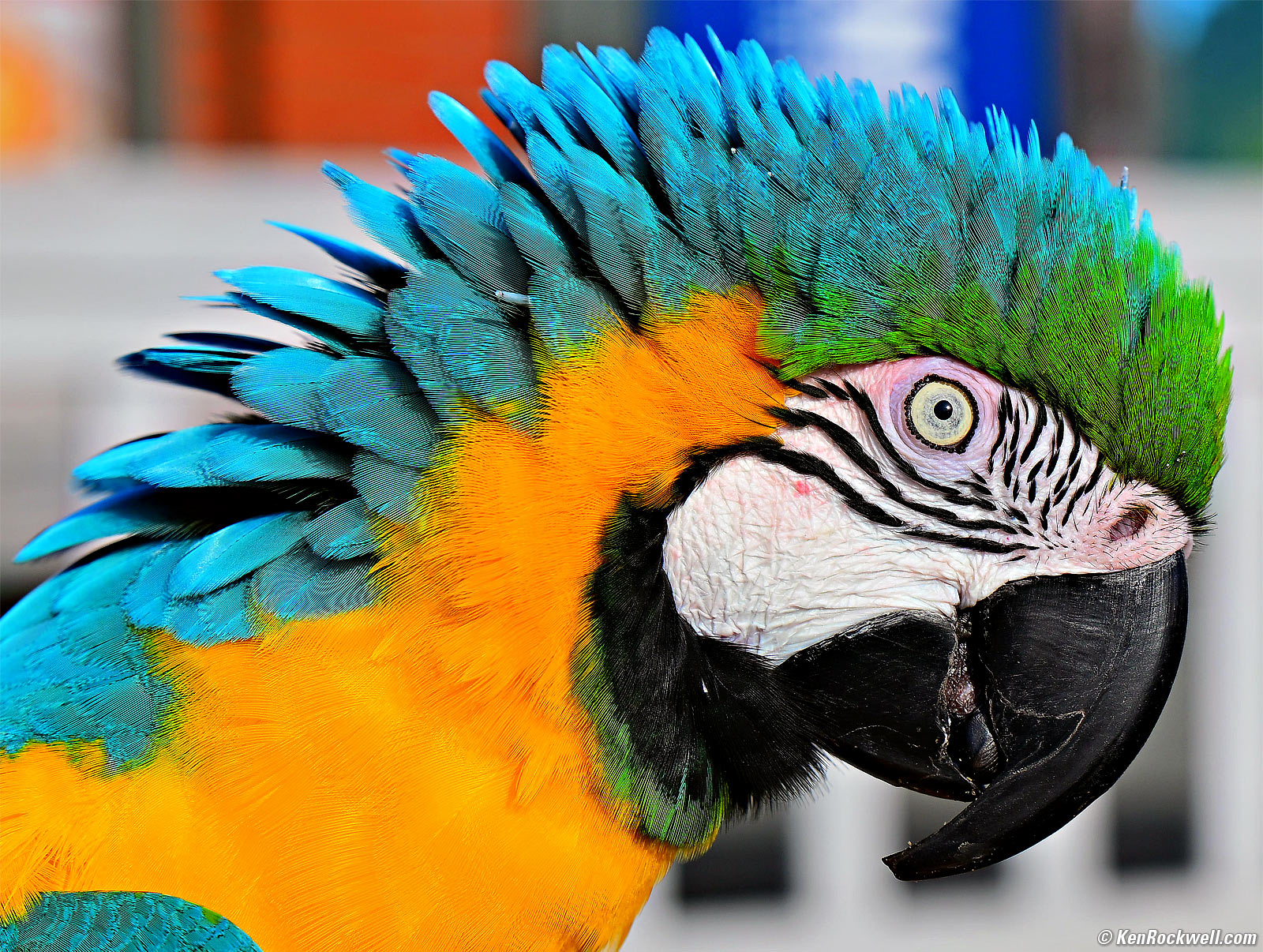
I think the Tamron 17-70mm f/2.8 is sharp enough.
New: Here's a magic cable finder tool. Check it out!
It's brilliant in its simplicity, bravo!
$58 Off (scratch and dent with full new warranty): Canon R100 & RF-s 18-45mm IS STM: $541.
20 August 2026, Thursday
The Search for a Carry-Everywhere Fill Flash Goes On.
The Nikon SB-400 has been my favorite flash to carry all the time for daylight fill flash ever since it came out in 2006. It's small, has a direct mechanical ON/OFF slide switch, recycles fast and gives many flashes per charge, communicates perfectly with every Nikon (even today it turns itself ON and OFF magically as my Z8 sleeps and wakes), and also importantly, has enough power (GN 45' measured ISO 100) to be able to fill shadows in direct sunlight about 15 feet (5 meters) away.
The only problem is that they were discontinued years ago and today have to be bought used at eBay (How to Win at eBay), used at Amazon or used at KEH. Sadly, for Nikon, it's still the very best flash for use with the newest mirrorless cameras if you don't want to carry a big flash atop your camera.
The Godox iT22 and iT20 look great and come to fit any brand of camera , except that each has so little power that it only has about four feet of range when used as daylight fill. Measured GN is only 12’ at ISO 100.
The Viltrox Z1 Pro is fantastic, but still a bit weak, with a measured GN of only 32', giving only about ten feet of range in direct sunlight. Boo!
My favorite modern little flash so far is the full-featured Godox iT32, but it's bigger than I want. I don't need all the features and the one feature I do need, power, is weak: only a measured GN of 38' or about enough to reach 12 feet for daylight fill. I typically like to be able to get further for fill when shooting cars and other things.
The Canon 320EX is superb, but bigger and discontinued. It measures a potent GN 67’ ~ 80’ or enough power to get about 20 ~ 27 feet away in daylight.
For some reason the off-brand flash work great charging from USB-C and recycle in a second, but lack the oomph to fill shadows in direct sunlight at longer distances. Of course they’re fine for use indoors.
Thus the search goes on. Be careful when shopping; flash makers lie about power. The numbers above are my actual measurements. Historically Japanese flash lie by about one stop about power since in olden days we shot negative film and you could get about a stop underexposed and still get a decent picture (old habits die hard), and today the Chinese brands lie by even more.
We don't need much power for use indoors, but the laws of physics are such that unless you have a leaf shutter and can sync at 1/1,000, we still need lots of flash power to compete with the direct rays of the sun with sync speeds of 1/250 and slower.
19 August 2026, Wednesday

New: Nikon Z 35mm f/1.7 Macro DX Review & Sample Images.
New: Sigma Full-Frame 20-200mm for Sony and for Panasonic & lay Leica.
Very interesting, however it has no stabilization and I doubt it has profiles for in-camera lens corrections. Computer-based corrections went obsolete in the early 2000s.
18 August 2026, Tuesday
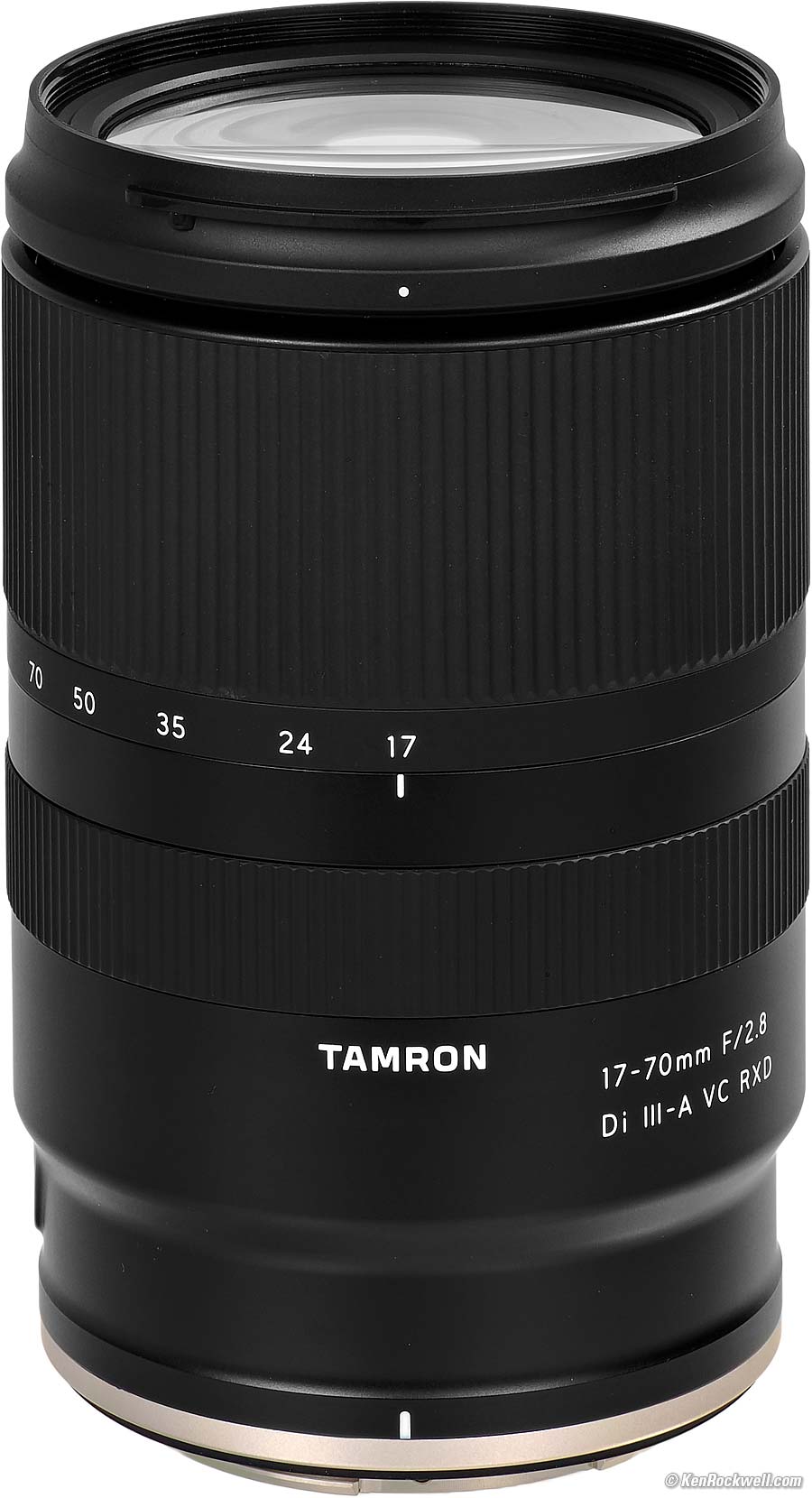
Tamron 17-70mm f/2.8 Di III-A VC RXD.
New: Tamron APS-C 17-70mm f/2.8 IS/VR/OSS/OIS Review & Sample Images.
In Stock: Sony A7R VI.
In Stock: HASSELBLAD X2D II 100C.
In Stock: HASSELBLAD XCD 35-100mm f/2.8-4 E.
17 August 2026, Monday
In Stock: LEICA M11-P.
$80 Off: Canon EOS R100: $479.99.
$80 Off: Canon R100 & RF-S 18-45mm IS STM: $599.99.
In Stock: Sigma 17-40mm f/1.8 for Canon.
$70 Off (open-box with full new warranty): Nikon Z50 II, Z16-50mm VR DX & Z 50-250mm VR DX: $1,329.
$200 Off: Sony A1 Mk II: $6,798.
$200 Off: Sony E 16-55mm f/2.8 G: $1,498.
$150 Off: Sony FE 35mm f/1.4 GM: $1,398.
$150 Off: Sony FE 50mm f/1.4 GM: $1,248.
$150 Off: Sony FE 85mm f/1.4 GM II: $1,798.
15 August 2026, Saturday
Sale: Overstock Sale at KEH.
$83 Off (scratch and dent with full new warranty): Sony A6100: $766.
12 August 2026, Wednesday
Shots from Last Night's Ball Game
Milwaukee Brewers at San Diego Padres, 11 August 2026:

Giant Jack-in-the-Box Antenna Ball from 400 feet (120 meters) away, San Diego, California, 5:02 PM, Tuesday, 11 August 2026. Mildly cropped from Sony RX10 Mark V shot at 210mm (600mm eq., 800mm eq. after this cropping) at f/5.6 at 1/1,000 at Auto ISO 100 (LV 15.0), Radiant Photo software to add light and reduce noise. bigger or camera-original 20 MP © 4.2 MB JPG file.

Sharp, sharp, sharp at 600mm, even cropped!

William Contreras of the Milwaukee Brewers Hits Against the San Diego Padres, San Diego, California, 5:02 PM, Tuesday, 11 August 2026. Tight crop from Sony RX10 Mark V at 100mm (288mm eq., or about 550mm eq. after this cropping) wide-open at f/4 at 1/1,000 at Auto ISO 3,200 (LV 9.0), Radiant Photo software to add light and reduce noise and Skylum Luminar Neo software to add deliberate vignetting for emphasis. bigger or camera-original 20 MP © 4.5 MB JPG file.

Autofocus is amazing: even with all the faces in the background the RX10 V clairvoyantly finds the one face I need in focus and just does it. This is in the magic all-area AF selection mode where it finds the subject.
Oh, and this is a night game!!!

Fernando "El Niño" Tatís Jr., of the San Diego Padres Hits Against the Milwaukee Brewers at San Diego, California, 7:43 PM, Tuesday, 11 August 2026. Tight crop from Sony RX10 Mark V at 89mm (256mm eq., or about 800mm eq. after this cropping) wide-open at f/4 at 1/500 at Auto ISO 1,600 (LV 9.0), Radiant Photo software to add light and reduce noise and Skylum Luminar Neo software to add deliberate vignetting for emphasis. bigger or camera-original 20 MP © 4.9 MB JPG file.

These are with the electronic shutter, and I see nothing significantly off with any rolling shutter effects for actual shooting.
Note how with 30 frames-per-second I can pick where I want the ball, which is in the same place as in the previous shot!

Jackson Merrill of the San Diego Padres Sprints to First Base Against the Milwaukee Brewers at San Diego, California, 8:25 PM, Tuesday, 11 August 2026. Crop from Sony RX10 Mark V at 71mm (206mm eq., or about 250mm eq. with this cropping) wide-open at f/4 at 1/500 at Auto ISO 1,600, -0.7 stops exposure compensation (LV 9.0), Radiant Photo software to add light and reduce noise, decrapification in Photoshop. bigger or camera-original 20 MP © 4.9 MB JPG file.


Jackson Merrill of the San Diego Padres Slides Into Home Plate as Part of an RBI Double Against the Milwaukee Brewers at San Diego, California, 8:27 PM, Tuesday, 11 August 2026. Crop from Sony RX10 Mark V at 103mm (300mm eq., or about 600mm eq. with this cropping) wide-open at f/4 at 1/500 at Auto ISO 1,250, -0.7 stops exposure compensation (LV 9⅓), Radiant Photo software to add light and reduce noise, decrapification in Photoshop. bigger or camera-original 20 MP © 4.7 MB JPG file.

AF and everything magically make these shots trivially easy.

Jackson Merrill Greeted by San Diego Padres Teammates Celebrating his RBI Double against the Milwaukee Brewers at San Diego, California, 8:28 PM, Tuesday, 11 August 2026. Mild crop from Sony RX10 Mark V at 137mm (390mm eq., or about 420mm eq. with this cropping) wide-open at f/4 at 1/500 at Auto ISO 2,500, -0.7 stops exposure compensation (LV 8⅓), Radiant Photo software to add light and reduce noise, color correction in Photoshop. bigger or camera-original 20 MP © 4.7 MB JPG file.

Holy cow! I just pointed and shot this one as Jackson Merrill came back to the bullpen. I couldn't figure out how the AF system was so smart that it was able to see past all the distracting elements near and far and just nail focus where I wanted it. The RX10 V selected where to focus all by itself!
A few minutes later I realized that there was only one set of eyes in this shot, and the RX10 V figured that out instantaneously, while it took me a few minutes to figure it out long after it happened.
In this case, the RX10 V is vastly superior to human intelligence for identifying targets and focusing on them quickly. Bravo!
I made 5,000 shots at the baseball game, and still had 25% battery charge left after shooting for five hours.
The stabilized RX10V also works great for handheld night shots:

Pizza Port and Skyscraper, San Diego, California, 8:59 PM, Tuesday, 11 August 2026. Sony RX10 Mark V at 11.4mm (30mm eq.) wide-open at f/2.8 handheld for a quarter of a second at Auto ISO 125, -0.7 stops exposure compensation (LV 4⅔), Radiant Photo software to add light to the shadows while preserving highlights, perspective correction in Photoshop. bigger or camera-original 20 MP © 4.7 MB JPG file.

New Affordable Classic AKG Microphones
Great audio products are forever.
I was using AKG's classic C451 microphones back in 1980 for live concert sound recordings, and they still sell them today.
I replaced the C451s with superior American-made Shure SM-81 microphones around 1982 when I was one of the world's first people doing live digital location recording. It was a subtle difference, but compared head-to head on a live symphony orchestra my SM-81s were smoother. I bought some new SM81s a few years ago, and they were hecho en México.
I've never owned a C414, which have also been classic large-diaphragm mics in every major studio since the 1970s, and is sold today in many versions.
New today are much more affordable versions of the same mics with similar performance, just with fewer accessories. They all have metal bodies:
NEW: AKG C114 Large-Diaphragm Condenser: $229.
26mm gold-sputtered capsule, three patterns, shock mount included, but no pad or filter.
NEW: AKG C104 Large-Diaphragm Cardioid Condenser: $129!!!
This has a 22mm nickle-sputtered capsule, one fixed pattern, no filter or pad, and no shock mount (just a non-isolated stand mount).
NEW: AKG C151 Small-Diaphragm Cardioid Condenser: $129.
16mm capsule, no filter or pad.
Compare these to the enduring classics:
AKG C414 (come in several versions and kits from $1,299).
Nine patterns, 25mm gold-sputtered capsule, three different pads, three different low filters, overload indicator, shock mount, pop screen, hard case and probably even more.
The XLII versions have a slight high boost for a little more sizzle, while the XLS versions are flatter. Bravo!
Cardioid only, small diaphragm, foam wind screen, two different filters, two different pads, zippered case.
I haven't tried the new mics, but I'll betcha the sound is essentially the same as the classics, simply without as many features, settings and accessories.
While engineers like to go on about the subtleties of the sound of each mic, the most important thing is how you use them. Most mics sound very similar in actual use, and by far the biggest difference is in where you put them and where you point them. I was astounded when I was comparing one of my SM-81s to one of my Chinese Senal SCM-660s, and they sounded just about the same when used identically! Even though they were totally different kinds of mics made on different continents by different companies, just like lenses, some people worry way too much about minute subtleties while the overridingly critical issue is how and where you use them.
If money matters, you should get pretty much the same sound with these new mics for as little as ten cents on the dollar compared to the classics.
These are all pro stage and studio 48V phantom powered all-analog mics that are used with pro mic preamps or portable recorders. You'll need a USB interface or a simple gizmo like the Shure XLR -> USB-C adapter to use these pro mics with computers.
New 360º Spherical Cameras from Insta 360
NEW: Insta 360º 8K Camera, also in white.
NEW: Insta 360º 8K Camera kit, also in white.
11 August 2026, Tuesday
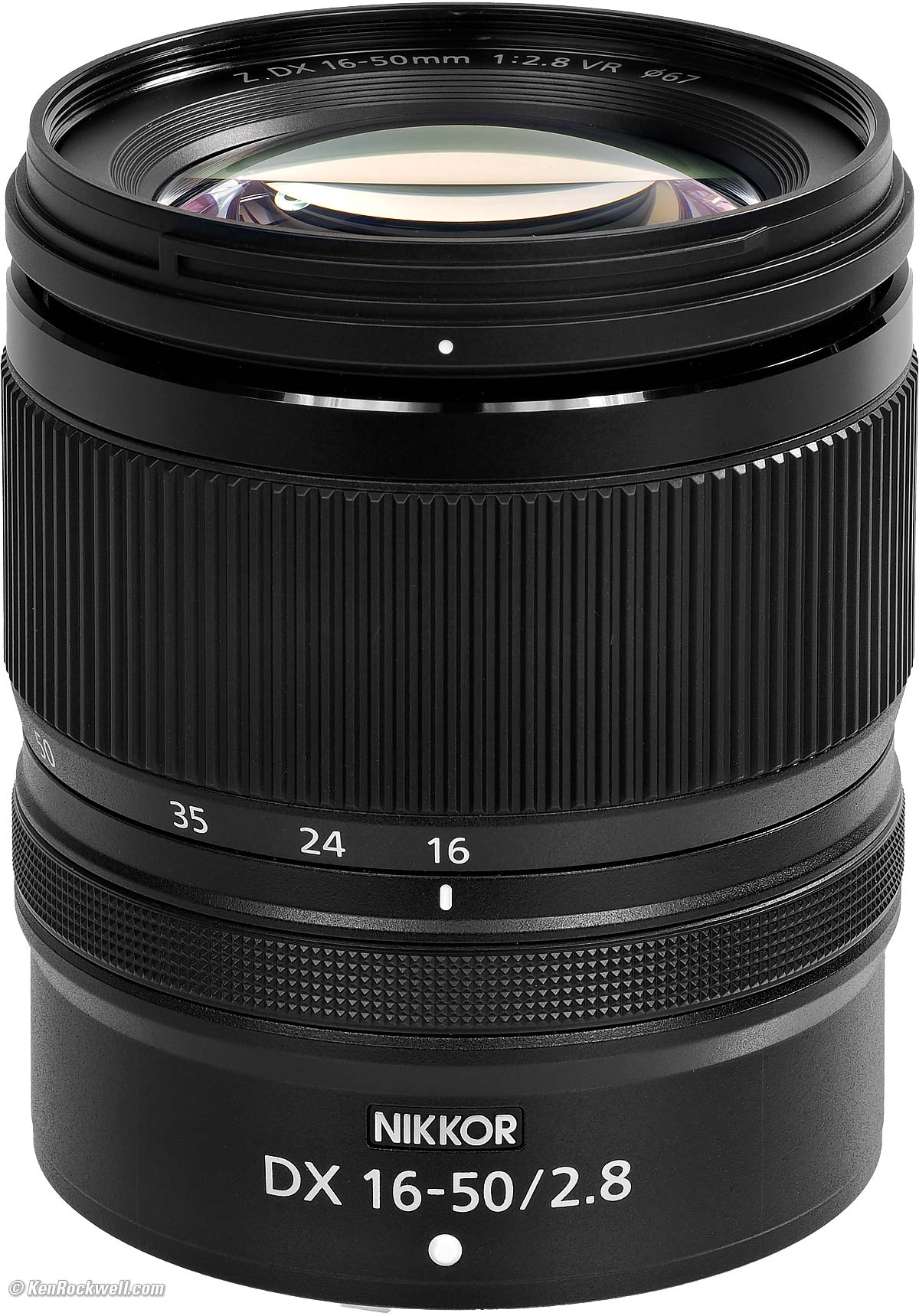
NEW: Nikon Z 16-50mm f/2.8 VR DX Review & Sample Images.
Seeing Weird Numbers Instead of Normal Shutter Speeds?
My Z50 II seemed to have a weird coding bug that wouldn't let me set shutter speeds. All I saw in M and S modes were random numbers where the shutter speeds used to be in other modes.
This probably applies to all modern Nikons; I just happened to see it in my Z50 II. It had me flummoxed for quite a while.
If you're seeing bizarre indications like 302.7 rather than normal shutter speeds like 1/250, that's because you have shutter speed fine-tuning ON, which lets you adjust shutter speeds by very small amounts to avoid banding from light flicker — but otherwise makes it take forever to change shutter speeds.
To fix this and get back to regular shutter speeds, set:
MENU > PHOTO SHOOTING MENU (📷 camera icon) > High-frequency flicker reduction > Off.
The other setting that causes this problem for normal shooting is if you have this set to ON (shutter speed fine tuning).
I added this to my Z50 II User's Guide.
Loads of Cards on Sale at B&H
For instance:
$70 Off: SanDisk 512 GB 280 MB/s SDXC: $259.00.
$85 Off: SanDisk 512 GB 300 MB/s SDXC: $339.99 (or $170 Off in a two-pack).
$70 Off: SanDisk 1TB 280 MB/s SDXC: $479.99.
$105 Off: TWO Lexar 128GB 250 MB/s SDXC: $154.99.
$25 Off: Lexar 128GB 280 MB/s SDXC: $94.99.
And so on...
07 August 2026, Friday

New: Viltrox Vintage Z1 Pro Flash Review.
06 August 2026, Thursday
$50 Off: Canon EOS R50: $729.99.
$50 Off: Canon EOS R50 & RF-s 18-45mm IS STM: $849.99.
$50 Off: Canon R50, 18-45mm IS STM & 55-210mm IS STM: $1,099.
$80 Off: Canon R50 Creator: $1,049.
$30 Off: Canon RF 16mm f/2.8: $319.99.
$50 Off: Canon RF 24mm f/1.8 MACRO IS STM: $639.99.
$40 Off: Canon RF 50mm f/1.8 STM: $199.99.
Don't laugh; this is among the sharpest lenses in photography, as well as the least expensive.
$50 Off: Canon V10 VLog (silver): $429.99, also in black.
05 August 2026, Wednesday
NEW Affordable Ultra-Tele!: Sony FE 100-400mm f/5.6-8 OSS, also at Adorama.
YES! Sony finally catches up to Canon, who has had an affordable RF 100-400mm f/5.6-8 IS USM for the past five years.
Sadly Nikon still only has a big $2,700 Z 100-400mm f/4.5-5.6 VR, but no compact, affordable Z super tele.
Bravo, Sony!
$150 Off: Canon R8 & RF 24-50mm IS STM: $1,699.
$150 Off: Canon EOS R8: $1,499.
$130 Off: Canon R100 & Two Lenses: $799.99.
$100 Off: Canon RF 24-70mm f/2/8L IS USM: $2,499.
$100 Off: Canon RF 100-500mm IS USM: $2,999.
$70 Off (open-box with full new warranty): Canon RF 20-50mm f/4L IS USM PZ: $1,329.
03 August 2026, Monday
$2,000 Off: Nikon Z 400mm f/2.8 TC VR: $12,697.
$300 Off: Canon R5 Mark II: $4,099.
$300 Off: Canon R5 Mk II & RF 24-105mm f/4L IS USM: $5,349.
$150 Off: Canon EOS RP: $999.
$300 Off: Sony A7R V: $3,498.
30 July 2026, Thursday

NEW: Sony RX10 Mark V Review & Sample Images.
NEW: Sony RX10 Mark V User's Guide.
What Was New in: back to top
March, Apri, May, July & July 2026: Photographs from California's Route 66, How to Get Motion Blur on iPhone, Fujifilm GFX100RF Review, Ken Rockwell's Fujifilm GFX100RF User's Guide, LEICA Q3 Review, Ken Rockwell's LEICA Q3 User's Guide, LEICA Q3 vs Fuji GFX100RF vs Sony RX1 R III, LEICA SL3 P, LEICA SUMMILUX-SL 50mm f/1.4 ASPH, LEICA APO-MACRO-ELMARIT-SL 100mm f/2.8, AirPods Pro 3 Review, AirPods Pro 3 Pro Tips & User's Guide, Apple Watch ULTRA 3 Review, Apple Watch ULTRA 3 User's Guide, Canon R50 V Review, Canon RF-s 14-30mm IS STM PZ Review, Canon EOS R6 V, Canon RF 20-50mm f/4L IS USM PZ, Canon RF 40-1,200mm T5 ~ T10.8, Canon MS-510 Ultra-Low Light Camera, Nikon Z 24-70mm f/2.8 II VCM Review & Sample Images, Nikon Z 24-105mm Review, Nikon Z 28-135mm f/4 PZ Review, Nikon Z 70-200mm f/2.8 VR II VCM Review, Sony RX10 Mark V Review, Ken Rockwell's Sony RX10 Mark V User's Guide, Sony A7R VI, Sony FE 100-400mm f/4.5 GM OSS, Godox iT32 Full-Featured Miniflash Review, Godox iT22 Micropower Nanoflash Review, Godox iT20 Micropower Nanoflash Review, Tamron Full-Frame 12-20mm f/2.8, Konica Hexar Review, Sample Images & Pro Tips.
January & February 2026: Photographs from California's Route 66, Infinite Depth-of-Field: Canon Hand-Held Focus Stacking & In-Camera Compositing, How to Eliminate or Bypass Passwords in Canon Cameras, Canon EOS R6 Mk III Review, Canon EOS R6 Mk III Plain-English User's Guide, Canon RF 7-14mm f/2.8-3.5L 190º Full-Frame Fisheye, Canon RF 14mm f/1.4L VCM, Canon RF 45mm f/1.2 STM Review, Canon RF 85mm f/1.4L VCM Review, Canon EL-1 v2 Flash Review, Canon G7 X Mark III, Nikon Z 24-105mm Review, Nikon Z 70-200mm f/2.8 VR II, Sony FE 16mm f/1.8 G Review, Sony FE 24-50mm f/2.8 G Review & Sample Images, LEICA NOCTILUX-M 35mm f/1.2 ASPH, Zeiss Manual-Focus Otus ML 35mm f/1.4 for Canon, Nikon & Sony, Laowa 200mm f/2 AF Review, Godox V480 Flash Review.
October, November & December 2025: Gallery: Fall Color in the Eastern Sierra, October 2025, How to Fix Sticky Plastic, Holiday Gift Guide 2025, Canon EOS R1 Review, Ken Rockwell's Canon EOS R1 User's Guide, Canon EOS R6 Mk III Review, Canon RF 20mm f/1.4L VCM Review, Canon RF 45mm f/1.2 Review, Canon RF 75-300mm Review, Nikon Z 16-50mm f/2.8 VR DX, Nikon Z 35mm f/1.7 Macro DX, Sony A7 Mk V Review, Sony FE 28-70mm f/3.5-5.6 OSS II Review, LEICA M EV1, LEICA Q3 Monochrom, LEICA SL3 Reporter, LEICA SUMMILUX-M 35mm f/1.4 ASPH «SAFARI», LEICA SUMMILUX-M 50mm f/1.4 ASPH Glänzend Schwarz (glossy black) und «SAFARI», Fuji X-T30 Mk III, Fuji XC 13-33mm OIS, Viltrox AF 85mm f/2, iPhone 17 Pro Max Review, iPhone 17 Pro Max User's Guide, How to Change the Depth-of-Field — After Shooting on iPhone, How to Change the Focus Distance AFTER SHOOTING on iPhone, How to Get Motion Blur on iPhone, AirPods Pro 3 Preview, Laowa AF 200mm f/2, TourBox Elite Plus Review & User's Guide.
July, August & September 2025: Canon RF 85mm f/1.4L VCM, Canon RF 75-300mm, Canon PowerShot ELPH 360 HS A, Nikon Z5 II Plain-English User's Guide. Nikon Z 24-70mm f/2.8 II, Sony RX1R III Review, TTArtisan APS-C AF 56mm f/1.8 ED Review, Viltrox Full-Frame AF 28mm f/4.5 Review, Viltrox APS-C AF 56mm f/1.2 Review, Viltrox AF 135mm f/1.8 Review, All 135mm f/1.8 Lenses Compared, Skylum Luminar Neo Review, Sample Images and User's Guide, AirPods Pro 3.
April, May & June, 2025: The Importance of Context in Photography, Nikon Z5 II Review & Sample Images, Nikon Z 35mm f/1.2 Review & Sample Image Files, Nikon Z 50mm f/1.4 Review & Sample Images, Sony FX2, Sony FE 50-150mm f/2.0 GM, Apple iPhone 16 Pro Max Review & Sample Images, Apple iPhone 16 Pro Max User's Guide, Apple Watch Series 10 Review & User's Guide, LEICA M11-P SAFARI, LEICA SUMMILUX-M 50mm f/1.4, silber, Fuji X-E5, Fuji XF 23mm f/2.8 R WR Pancake, Fuji X Half, Viltrox AF 35mm f/1.2 for Sony.
January, February & March, 2025: Don't Expose to the Right, How to Learn Lens Design, Canon EOS R50 V, Canon PowerShot V1, All Canon Mirrorless Ultrawide Lenses Compared, Canon RF-S 14-30mm IS STM PZ, Canon RF 16-28mm f/2.8 IS STM Review, Canon RF 20mm f/1.4L VCM, Canon 24mm f/1.4L VCM Review, Canon 50mm f/1.4L VCM Review, Canon RF 70-200mm f/2.8L IS USM Z Review, Canon New F-1 Review, Nikon Z 28-135mm f/4 Power Zoom Review, Nikon Z 35mm f/1.2, Nikon P1100 (125× optical zoom), Nikon EM Review, Sony FE 16mm f/1.8 G, Sony FE 400-800mm OSS G Review, Sony FE 1.4× Teleconverter Review, Sony FE 2× Teleconverter Review, Fuji GFX100RF, LEICA SUMMILUX 50mm f/1.4 (Edition 2025, Typ. 11714), LEICA SL3-S, OM SYSTEM OM-3, Laowa 15mm f/5 "Cookie" Review, Sigma 300-600mm f/4 OS, Zeiss Otus ML 50mm f/1.4, Zeiss Otus ML 85mm f/1.4, HASSELBLAD ZEISS 150mm f/4 Sonnar T✻ CF Review, Godox V100 Flash Review, Sony ICF-SW1 AM / FM Stereo / LW / SW Radio Review.
November & December 2024: Canon EOS R7, R10, R50 & R100 Compared, Canon RF 200-800mm IS USM Review & Sample Images, Canon EL-10 Flash Review, Nikon Z50 II Review, Ken Rockwell's Nikon Z50 II User's Guide, Sony A1 II Review, Fuji GFX Eterna cine camera, Fuji GF 32-90mm Power Zoom, "Visually Speaking" by Ted Forbes.
September & October 2024: Canon RF-S 7.8mm f/4 STM Dual Pseudo~Stereoscopic Lens, Canon RF 10-20mm f/4L IS STM Review, Canon RF 24mm f/1.4L VCM, Canon RF 28-70mm f/2.8 IS STM Review, Canon RF 35mm f/1.4L VCM Review, Canon RF 50mm f/1.4L VCM, Canon RF 70-200mm f/2.8L IS USM Z, RF 200-800mm IS USM, Canon C80 Cine camera, Nikon Z 28-135mm f/4 PZ, Nikon Z 50mm f/1.4, Nikon 10 × 25mm STABILIZED binoculars, Nikon 12 × 25mm STABILIZED binoculars, Apple iPhone 16 Pro Max, LEICA M11 D, LEICA Q3 43, LEICA 70-200mm f/2.8 VARIO ELMARIT SL (L Mount), LEICA 2× Extender L für SL 70-200 f/2.8 ASPH und SL 100-400mm, Fuji X-M5, Fuji XF 16-55mm f/2.8 R LM WR II, Fuji XF 500mm f/5.6 R LM OIS WR, Viltrox 135mm f/1.8 VCM for Sony and How to Fix Hotmail Not Responding on iOS & Mac.
July & August 2024: Canon R5 Mk II, Canon EOS R1, Nikon Z6 III Review & Sample Images, My Nikon Z6 III Plain-English User's Guide, Nikon Z 35mm f/1.4 Review & Sample Images, Sony FE 85mm f/1.4 GM II, AstrHori AF 85mm f/1.8 Review & Sample Images, Oben GH3W-15 Geared Head Review, Oben CQL-13 Magic Disappearing Tripod Review, Godox SK400II V Studio Strobe Review & Sample Images, LEICA D-Lux 8, Tamron Full-Frame 50-400mm VR for Nikon Z, Benro Theta Self-Leveling Tripod, Benro Theta Max Self-Leveling Tripod.
May & June 2024: What is Atmospheric Heat Shimmer, Canon RF 100-300mm f/2.8L IS USM Review, Canon RF-S 3.9mm f/3.5 DUAL FISHEYE, Canon RF 35mm f/1.4 L VCM, Canon EL-10 Flash, Canon EOS C400 Cine Camera, Canon 17-120mm T2.95 for Canon RF, Canon 17-120mm T2.95 for ARRI PL, Canon Laser Rangefinder, Nikon Z6 III Review, Viltrox Z 16mm f/1.8 Review, Nikon Z 28-400mm VR Review, Nikon Z 35mm f/1.4, Nikon Z 180-600mm VR Review, Sony Full-Frame 16-25mm f/2.8G, Fuji GFX 100S II, Fuji GF 500mm f/5.6, Fuji X-T50, Fuji XF 16-50mm f/2.8-4.8, LEICA D-Lux 8, ZEISS PLANAR 80mm f/2.8 C for HASSELBLAD Review, HASSELBLAD 25mm f/2.5, Pentax 17 half-frame 35mm camera, Lumix S9, Lumix GH-7, Lumix S 18-40mm, Lumix S 26mm f/8 in L mount, Sigma APS-C 18-50mm f/2.8 for Canon RF, Sigma 28-45mm f/1.8 Full Frame for Sony & LEICA L, Tamron 50-300mm for Sony.
March & April 2024: What's an Infinity Focus Stop?, Canon RF 24-105mm f/2.8L IS USM Z Review, Nikon Z 12-28mm DX VR PZ Review, Nikon Z 28-400mm VR Review, Sony FE 16-25mm f/2.8G, Sony FE 20-70mm f/4 G Review, Sony FE 70-200mm f/4 Macro OSS G II Review, HASSELBLAD Date Codes, iPhone 15 Pro Max Review & Sample Images, Ken Rockwell's iPhone 15 Pro Max User's Guide, Apple Watch ULTRA 2 Review & User's Guide, LEICA SL3, OM SYSTEM OM-1 Mark II, Ken Rockwell's OM SYSTEM OM-1 Mark II Plain-English User's Guide, Sigma 50mm f/1.2 for Sony or LEICA L, Tamron 28-75mm f/2.8 G2 for Nikon Z.
January & February 2024: Photographs from California's Route 66, Canon RF-S 10-18mm IS STM Review, Nikon Zf Review, Ken Rockwell's Nikon Zf User's Guide, Nikon Z 70-180mm f/2.8 Review, Nikon Z 135mm f/1.8 Review, Sony FE 24-50mm f/2.8 G, Sony FE 300mm f/2.8 GM OSS, Fuji X100VI Review, HASSELBLAD 907X body & CFV 100C Back, HASSELBLAD Slip-on Albada Bright-Line FInder for 28mm, 38m & 55mm lenses, OM SYSTEM OM-1 Mark II review, Ken Rockwell's OM SYSTEM OM-1 Mark II plain-English user's guide, OM SYSTEM 9-18mm (18-36mm eq), OM SYSTEM 150-600mm IS, Laowa AF 10mm f/2.8 130º Ultra-Ultrawide Full-Frame Review, Sigma 15mm f/1.4 Fisheye for Sony & LEICA L, Sigma 500mm f/5.6 for Sony & LEICA L, Lumix G100D, Lumix 28-200mm Macro OIS for LEICA L, Tozo HT2 Headphones Review, Petino Samba Pad Pro 3-Way Wireless Charging Station Review.
October, November & December 2023: Canon EOS R6 Mark II Review, Canon EOS R6 Mark II Plain-English User's Guide, Canon RF 10-20mm f/4L IS STM, Canon RF-S 10-18mm IS STM, Canon RF 28mm f/2.8 STM, Canon RF 24-105mm f/2.8 L IS USM Z, Canon RF 200-800mm IS USM, Nikon Z 600mm f/6.3 VR, Nikon Z8 Recall, Sony A9 Mk III Review, Sony FE 300mm f/2.8 GM OSS, LEICA M11-P, LEICA SUMMICRON-M 28mm f/2 ASPH Edition 2023, LEICA SUPER-VARIO-ELMARIT-SL 14-24mm f/2.8 ASPH für L mount, LEICA SUPER-APO-SUMMICRON-SL 21mm f/2 ASPH für L mount, LEICA SUPER-APO-SUMMICRON-SL 21mm f/2 ASPH, LEICA SUPER-VARIO-ELMARIT-SL 14-24mm f/2.8 ASPH, Pergear 14mm f/2.8 II Review, Sigma 10-18mm f/2.8 for Sony APS-C, 7artisans 9mm f/5.6 Full-Frame 135º Ultra-Ultra Wide, Venus Optics Laowa 8-16mm APS-C Ultra-Ultra Wide, Audeze MM-100 Planar Magnetic Headphones Review, Bluetti AC70 1 kW Power Station Review, Bluetti AC2A 300W Power Station Review.
August & September 2023: Canon EOS R8 Review, Plain-English R8 User's Guide, R100 Review, Plain-English R100 User's Guide, RF 24-50mm IS STM Review, RF-S 55-210mm IS STM Review, RF 135mm f/1.8 L IS USM Review, EL-5 Flash Review, Nikon Zf Review, Z 135mm f/1.8, MH-34 Charger, Sony A7CR, Sony A7C II, FE 16-35mm f/2.8 GM II, Fuji GFX 100 II, GF 30mm f/5.6 Tilt & Shift, GF 55mm f/1.7R WR, GF 110mm f/5.6 Tilt & Shift Macro, OM SYSTEM Tough TG-7 Underwater Camera, Panasonic G9 II, Panasonic "Leica" 35-100mm f/2.8, Panasonic "Leica" 100-400mm f/4-6.3 II, HASSELBLAD XCD 28mm f/4 P, Angeniéux EZ-3 45-165mm T2.3 S35 & 68-250mm T3.5 Cinema Zoom Kit, Sigma 100-400mm f/5-6.3 for Fuji, Sigma 23mm f/1.4 for Fuji, Tamron 17-50mm f/4 for Sony, Tamron 70-180mm f/2.8 OSS for Sony, Apple Watch ULTRA Review & Tutorial, AirPods Pro 2nd Gen w/USB-C, Think Tank Retrospective EDC Backpack Review, Think Tank "Press Pass" Shoulder/Sling/Belt Bags, Nitecore BB2 Electronic Blower Review, Bluetti PV200 200W Solar Panel Review, Bluetti AC180 1.8 kW Power Station Review.
June & July 2023: Photographs from California's Central Coast, How to Create Images with AI, Nikon Z8 Review & Sample Images, Z8 Plain-English User's Guide, Z 24mm f/1.7 DX Review & Sample Images, Z 26mm f/2.8 Review & Sample Images, Z 70-180mm f/2.8, Z 85mm f/1.2 Review & Sample Images, Z 180-600mm f/5.6~6.3 VR, Sony A6700, Sony FE 70-200mm f/4 G OSS MACRO II, Sony ECM-M1 On-Camera Mic, LEICA SL2 Edition Silver, Sigma 14mm f/1.4 Full-Frame, Tamron 35-150mm f/2~2.8 for Nikon Z and for Sony, TTArtisan 27mm f/2.8 Review & Sample Images, Xcellon PDG-5200L 200W 5-Port GaN USB Charger Review and Tozo Golden X1 Earbuds Review.
March, April & May 2023: Previsualization versus Presets, Canon, Nikon, Sony, Fuji & OM SYSTEM Menu Systems Compared, Canon EOS R50 Review, EOS R100, EOS R vs EOS R8 vs RP, Canon RF 28mm f/2.8 STM, RF 100-300mm f/2.8L IS USM, Canon V10 VLogCam, Nikon Z8, Z 12-28mm f/3.5-5.6 PZ VR DX, Sony ZV-E1, Sony ZV1 II, Sony SRG-A12, LEICA Q3, LEICA M11 Monochrom, SUMMMILUX-M 50mm f/1.4 ASPH (Edition 2023), SUMMICRON-SL 35mm f/2 ASPH, SUMMICRON-SL 50mm f/2 ASPH, Fuji X-S20, Fuji XF 8mm f/3.5 R WR, OM SYSTEM OM-1 Review & Sample Image Files, OM SYSTEM OM-1 Complete Plain-English User's Guide, OM SYSTEM M.Zuiko ED 90mm f/3.5 Macro IS PRO Review & Sample Images, Pentax K-3 Mark III Monochrome, Pentax FA 50mm f/1.4 & FA 50mm f/1.4 Classic, Pentax SD 10x42 ED, SD 7x42 ED & AD 10x32 ED, Apple iPhone 14 Pro Max Review, iPhone 14 Pro Max Tutorial & User's Guide, Apple Music Review.
January & February 2023: How to Learn Photography, Canon EOS R8, Canon EOS R50, Canon RF 24-50mm IS STM, Canon RF-S 55-210mm IS STM, Canon EOS Rebel SL3 Review, Canon EOS Rebel T7 Review, Nikon Z 26mm f/2.8, Nikon Z 85mm f/1.2, Sony Full-Frame FE 20-70mm f/4 G, Sony FE 24-70mm f/2.8 GM II Review & Sample Images, Sony FE 50mm f/1.4 GM, Olympus 90mm f/3.5 IS Macro, Think Tank Retrospective Everyday Backpack.
December 2022: Nikon Z 17-28mm f/2.8 Review, Nikon Z Full-Frame Ultrawides Compared, Canon Rebel T100 Review, Canon EF-s 18-55mm III Review, Sony A7R V Review, 2022 version of the LEICA M6, ThinkTank SpeedTop Bag Review.
October & November 2022: Canon EOS R6 Mark II, Canon RF 15-30mm IS STM Review, Canon RF 24mm f/1.8 MACRO IS STM Review, Canon RF 135mm f/1.8L IS USM, Canon EL-5 Flash, Nikon Z 40mm f/2 Special Edition Review, Nikon Z 400mm f/4.5 Review, Nikon Z 600mm f/4 TC VR, Nikon Z 1.4× Teleconverter Review, Nikon Z 2× Teleconverter Review, Nikon MC-N10 Remote Grip, Sony A7R V, Sony ZV-1F, Fuji X-T5, Fuji XF 30mm f/2.8 R LM WR Macro, LEICA M6, Edition 2022, Venus Laowa 25mm f/0.95 Review, beyerdynamic DT 1770 PRO Review.
July, August & September 2022: Photographs from California's Central Coast, Canon EOS R7 Review, Canon EOS R10 Review, Canon EOS R7 vs. EOS R10, Canon RF 15-30mm IS STM Review, Canon RF-s 18-45mm IS STM Review, Canon RF-s 18-150mm IS STM Review, Canon RF 24mm f/1.8 Macro IS STM, Canon EL-100 Flash Review, Nikon Z30 Review, Nikon Z 17-28mm f/2.8 Review, Nikon Z 400mm f/4.5 VR, All Nikon 105mm Macro Lenses Compared, Sony FX30 E-Mount Cine Camera, Fuji X-H2, Fuji GF 20-35mm f/4 R WR, Fuji XF 56mm f/1.2 R WR, Tamron 150-500mm f/5-6.7 for Fuji, LEICA SUMMILUX-M 35mm f/1.4 ASPH (2022), NiteCore NB20000 Ultralight Power Bank Review, Oben CT-2491 Carbon-Fibre Tripod Review, SmallRig AD-01 Fluid-Head Video Tripod Review, Venus Laowa 10mm f/4 Review & Sample Images, beyerdynamic DT 900 PRO X Review, beyerdynamic DT 1990 PRO Review.
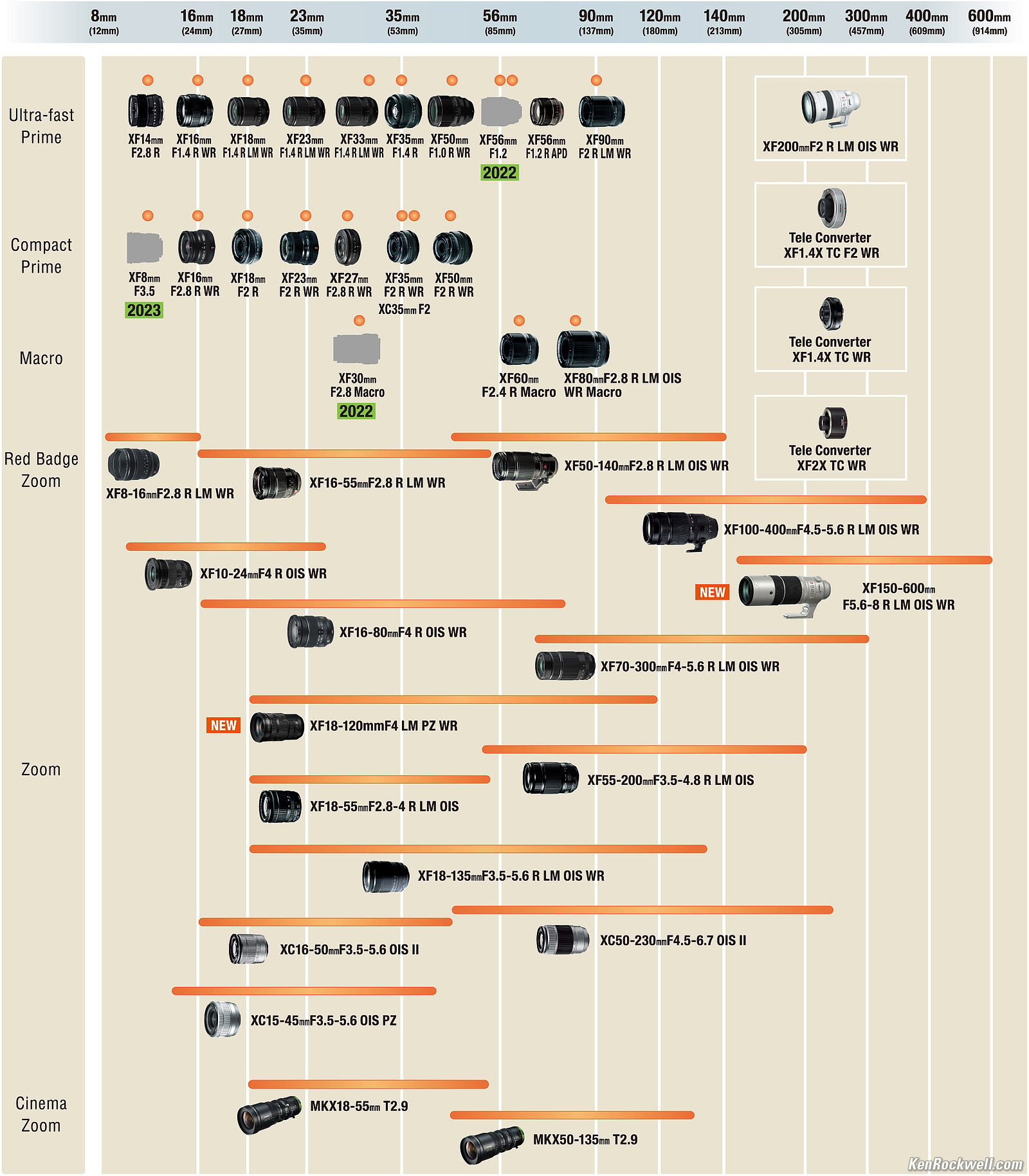
May & June 2022: Canon EOS R7, Canon EOS R10, Canon RF-S 18-45mm IS STM, Canon RF-S 18-150mm IS STM, Nikon Z30 Review, Nikon Z 24-120mm f/4 Review, Nikon Z 28-75mm f/2.8 Review, Nikon Z 100-400mm VR Review, Nikon Full-Frame Z Midrange Zooms Compared, Sony ZV-E10 Review, Sony FE 16-35mm f/4 G PZ Review, Sony E 10-20mm f/4G PZ Review, Sony E 11mm f/1.8 Review, Sony E 15mm f/1.4G Review, Fuji X-H2s, Fuji XF 18-120mm f/4 R LM WR Power Zoom, Fuji XF 150-600mm f/5.6-8 R LM WR OIS, Fujifilm's 2022-2023 Lens Roadmap, HASSELBLAD PME Prism Meter Finder Review.
January ~ April 2022: Photographs from Yosemite & the Eastern Sierra, The Effect of Scale, Canon EOS R3 Full Review & Sample Image Files, Canon EOS R5C, Canon RF 800mm f/5.6L IS USM, Canon RF 1,200mm f/8L IS USM, Canon PowerShot ZOOM Review, Nikon Z9 Review & Sample Images, Nikon Z9 User's Guide & Tutorial, Nikon Z 18-140mm VR DX Review & Sample Image Files, Nikon Z 28mm f/2.8 Review & Sample Image Files, Nikon Z 28mm f/2.8 SE Review & Sample Image Files, Nikon Z 40mm f/2 Review & Sample Image Files, Nikon Z 400mm f/2.8 VR, Nikon Z 800mm f/6.3 VR, Sony A7 IV Full Review & Sample Image Files, Sony A7 IV Tutorial & User's Guide, Sony FE 16-35mm f/4 G PZ Power Zoom, Sony FE 24-70mm f/2.8 GM II, Sony FE 70-200mm f/2.8 GM OSS II Review & Sample Images, Sony HVL-F60RM2 Flash Review & Sample Images, Sony HVL-F46RM Flash Review & Sample Images, Sony SD Card Reader, LEICA M11, Apple Mac Studio, Apple 27" 5K Studio Display, 5th generation 10.9" iPad Air, Cooke S8/i 25mm, 32mm, 40mm, 50mm, 75mm, 100mm and 135mm T1.4 Lenses in PL mount, Huion Kamvas Pro 13 (2.5K) drawing tablet review, Kodak GOLD 200 in 120 format, OWC Thunderbolt 3 Dock Review, OWC ATLAS S PRO SDXC Card Review, OWC ENVOY PRO ELEKTRON SSD Review, OWC USB-C TRAVEL DOCK E Review, Oben CFT-6194L Lateral Carbon-Fibre Tripod Review, Oben CFT-6394 "Big & Tall" Carbon-Fibre Tripod Review, Oben BC-139 Review, Olympus OM-1, M.Zuiko Digital ED 12-40mm f/2.8 PRO II, M.Zuiko Digital ED 40-150mm f/4 PRO, Panasonic Lumix GH6, Sigma 16mm f/1.4 for Fuji, Sigma 30mm f/1.4 for Fuji, Sigma 56mm f/1.4 for Fuji, Sigma 20mm f/2 full-frame for Sony E, Sigma 20mm f/2 full-frame for LEICA L, SmallRig 3457 Compact Fluid Head Review, ThinkTank Retrospective 75 Duffel, ZEISS Supreme Prime 15mm T1.8, Feet, PL Mount, Jackery Explorer 1000 Power Station & Solar Generator Review, Jackery Explorer 300 Review, Jackery SolarSaga 100W Panel Review, Nitecore BlowerBaby Review, B&W 702 S2 Speakers, beyerdynamic DT 700 PRO X headphones review.
November ~ December 2021: Canon RF 16mm f/2.8 STM Review, Canon RF 100-400mm IS USM Review, Canon EF 28-80mm f/2.8-4 L ULTRASONIC Review, Nikon Z 28-75mm f/2.8, Nikon Z 28mm f/2.8, Nikon Z 800mm f/6.3, Leica Q2 Reporter Edition, Best USB-C Card Readers, Docks & Hubs Compared, Mitakon 90mm f/1.5 Review, McIntosh MQ 107 Environmental Equalizer Review.
October 2021: Nikon Z9, Nikon Z 18-140mm VR DX, Nikon Z 24-120mm f/4, Nikon Z 100-400mm f/4.5-5.6 VR, Nikon FTZ II, Canon STEREOSCOPIC RF 5.2mm f/2.8L 190º Fisheye, Canon RF 14-35mm f/4L IS USM Review, Canon EF 135mm f/2.8 Soft Focus Review, Sony A7 IV, Sony FE 70-200mm f/2.8 GM OSS II, Apple Watch Series 7.
July ~ September 2021: Nikon Z fc Review, Nikon Z7 II User's Guide, Nikon Z FX 28mm f/2.8 Special Edition, Nikon Z 40mm f/2, Nikon Z 50mm f/2.8 Macro Review, Nikon Z 105mm f/2.8 VR Macro Review, Canon EOS R3, Canon RF 16mm f/2.8 STM, Canon RF 100mm f/2.8L IS USM Macro Review, Canon RF 100~400mm IS USM, Canon DM-E1D Stereo Mic, Canon ST-E10 Speedlite Transmitter, Canon AD-P1 Android Data Transmitter Adapter, Canon AD-E1 Normal to Multi-Function Shoe Adapter, Sony ZV-E10, Sony FE 14mm f/1.8 GM Review, Sony FE 24mm f/2.8 Review, Sony FE 40mm f/2.5 Review, Sony FE 50mm f/2.5 Review, Sony FE 50mm f/1.2 GM Review, Fuji GFX 50S II, Fuji GF 35-70mm, Fuji GFX 50S II w/35-70mm, Fuji X-T30 II, Fuji XF 23mm f/1.4, Fuji XF 33mm f/1.4, Sigma 24mm f/2 DG DN, Sigma 90mm f/2.8 DG DN full-frame für LEICA L, Sigma 150-600mm f/5-6.3 for Sony and for LEICA L, Tamron 18-300mm for Sony APS-C and for Fuji, Tamron 35~150mm f/2~2.8 for Sony, Laowa Argus 35mm f/0.95 Review, Godox Ving V860III TTL Li-Ion Flash, Megadap Sony to Nikon Z Lens Adapter, TTArtisan 35mm f/1.4 ASPH Review, Voigtländer Heliar Classic 50mm f/1.5, Audeze LCD-XC Planar Magnetic Headphones full review.
April ~ June 2021: Photographs from California's Central Coast, Canon EOS R3, Canon EF 70-200mm f/2.8L IS USM III Review, Canon RF 100mm f/2.8L IS USM Macro, Canon EF 100mm f/2.8 Macro Review, All Canon 100mm Lenses Compared, Canon RF 400mm f/2.8L IS, Canon RF 600mm f/4L IS, Nikon Z7 II Review, Nikon Z fc, Nikon Z 14-24mm f/2.8 Review, Nikon Z FX 28mm f/2.8 Special Edition, Nikon Z 50mm f/2.8 Macro, Nikon Z 50mm f/1.2 Review, Nikon Z 58mm f/0.95 Noct Review, Nikon Z 105mm f/2.8 VR Macro, Sony A1 Review, Sony A6100 Review, Sony E 16-55mm f/2.8 G Review, Sony FE 14mm f/1.8 GM Review, Sony FE 35mm f/1.4 GM Review, Sony E 70-350mm G OSS Review, Fujifilm X-E4 Review, Fuji X-S10 Review, Fuji XF 10-24mm f/4 R OIS WR Review, Fuji XF 18mm f/1.4R LM WR, Fuji XF 27mm f/2.8 R WR Review, Fuji XF 70-300mm R LM OIS WR Review, LEICA M10-R in black paint, Pentax K-3 Mk III, iRig Pre 2 XLR Mic to Mirrorless, DSLR, iOS, Phone or Computer Preamplifier, Robus RTH-1050 55-lb Capacity Ball Head Review, Ritz Gear 256 GB CFexpress card, Turboant Thunder T1 Electric Bike Review.
January ~ March 2021: Canon RF 50mm f/1.8 STM review, Canon RF 70-200mm f/4L IS review, Canon RF 85mm f/2 MACRO IS STM review, Canon EL-1 Flash review, Nikon Z9 review, SONY A1 review, Sony A7C review, Sony FE 28-60mm review, Sony FE 24mm f/2.8 G, Sony FE 40mm f/2.5 G and Sony FE 50mm f/2.5 G, Sony FE 35mm f/1.4 GM, Sony FE 50mm f/1.2 GM review, iPhone 12 Pro Max review & guide, Apple Watch Series 6 review & guide, LEICA APO-SUMMICRON-M 35mm f/2 ASPH, LEICA 50mm f/1.2 NOCTILUX-M ASPH, Fuji GFX 100S, Fuji GF 80mm f/1.7 R WR, Fuji X-E4, Fuji XF 27mm f/2.8 R WR, Fuji 70-300mm f/4-5.6 R LM OIS WR, Ritz 256GB 265/120 MB/s V60 SD card, Mitakon 50mm f/0.95 review, 7Artisans 50mm f/1.05 review, Polsen MVP-3 Micro Shotgun Microphone, Polsen MVP-6 Shotgun Microphone, Polsen MO-CPL2 USB-C Lavalier Microphone, Polsen SCL-1080 Dual-Pattern Shotgun Microphone
October ~ December 2020: Canon 1DX Mark III Review, Canon RF 50mm f/1.8 STM Review, Canon RF 70-200mm f/4 L IS USM Review, Canon EOS M50 Mk II, Big EL-1 flash and odd compact PowerShot Zoom 100-400mm P&S, Canon PIXMA Pro-200, Nikon Z5 Review, Nikon Z6 II Review, Nikon Z7 II Review, Nikon Z 20mm f/1.8 Review, Nikon Z 24-50mm Review, Nikon Z 24-200mm Review, Nikon Z 70-200mm f/2.8 Review, Fuji 50mm f/1.0 Review, Fuji X-S10, Fuji 10-24mm f/4 OIS WR R, LEICA Q2 Monochrom, LEICA SL-2 S, ZEISS ZX1, Audeze LCD-X Headphones Review, TTArtisan 50mm f/1.4 ASPH Review, Sigma 105mm f/2.8 Macro for Sony E or LEICA, Megadap Any Lens to Nikon Z Autofocusing Adapter Review, Oben CTT-1000L Compact Tripod Review, MacCase iPad Pro Case Review.
May ~ September 2020: Canon EOS R5, Canon EOS R6, Canon EOS R, RP, R5 & R6 Compared, Canon RF 15~35mm f/2.8L, Canon RF 24-70mm f/2.8L IS, Canon RF 24-105mm IS STM, Canon RF 24-240mm, Canon RF 70-200mm f/2.8 L IS, Canon RF 85mm f/1.2L USM, Canon RF 85mm f/1.2 L DS USM, Canon RF 85mm f/1.2L versus f/1.2L DS, Canon RF 85mm f/2 Macro IS STM, Canon RF 100-500mm, Canon RF 600mm IS STM, Canon RF 800mm IS STM, Canon RF 1.4× extender, Canon RF 2× extender, Canon 90D, Canon Rebel T8i (EOS 850D), Nikon Z5, Nikon Z 14-24mm f/2.8, Nikon Z 24-50mm, Nikon Z 50mm f/1.2, Nikon Z TC-1.4× teleconverter, Nikon Z TC-2× teleconverter, Sony A7c, Sony A9 II, Sony A7S III, Sony FE 12-24mm f/2.8 GM, Sony LA-EA5 Adapter, Apple Watch Series 6, Fuji X-T4, Fuji X-T200, Fuji XC 35mm f/2, Fuji XF 50mm f/1.0, LEICA M10-R, LEICA Q2, LEICA Q2 User's Guide, LEICA Q2 vs Fuji X100F vs iPhone 11 Pro Max vs Canon 90D, LEICA vs iPhone vs Fuji vs Canon, LEICA SF-24D, Hasselblad 907X 50C, ZEISS SONNAR 50mm f/1.5, Tokina Opera 50mm f/1.4, Luxli Timpani, Cello and Viola2, Audeze LCD-1 Headphones.
April 2020: Fuji XF 16-80mm f/4 Review, Canon RF 24-105mm f/4-7.1 STM, Canon C300 Mk III, Canon 25-250mm T2.95 Cine, Olympus OM-D E-M5 Mk III, Irix Full-Frame, Manual Focus 45mm f/1.4, Laowa 210º 4mm f/2.8 Fisheye, Lensbaby Velvet 28mm f/2.5, Rokinon AF 75mm f/1.8, Tamron 70-180mm f/2.8 for Sony, DJI Mavic Air 2, DJI Mavic 2 Pro 4K, BlackMagic Pocket Cinema 6K, Zoom H6 Recorder Review.
Hot January ~ March 2020: Photo Products of the Decade 1820~2020, Nikon D6, Nikon D780, Nikon D780 Plain-English User's Guide, Nikon 120-300mm f/2.8 FL VR, Nikon Z 20mm f/1.8, Nikon Z 24-200mm, Nikon Z 70-200mm f/2.8 VR, Nikon Coolpix P950, Canon 1DX Mark III, Canon Rebel T8i, Canon EOS-R5, Canon RF 100-500mm f/4.5-7.1L IS USM, Canon RF 24-105 f/4~7.1 IS STM, Canon QX10 Pocket Portable Printer, Sony A7R IV Review & User's Guide, Sony FE 20mm f/1.8, Sony E 50mm f/1.8 OSS, Sony E 55-210mm OSS, Fuji X100V, Fuji X100V Plain-English User's Guide, Fuji X-T4, Fuji X-T200, Fuji XC 35mm f/2, Fuji GF 45-100mm f/4 OIS, LEICA M10 Monochrom, LEICA SUMMILUX-M 35mm f/1.4 ASPH Edition "LEITZ Wetzlar, LEICA S3, Tokina 85mm f/1.8 for Sony full-frame, Laowa 65mm f/2.8 2× Ultra-Macro, Think Tank Retrospective Backpack 15, Fringer Canon EF -> Fuji X Adapter, Fringer Canon EF -> Nikon Z Adapter, DJI Mavic 2 Zoom with Smart Controller, Senal SMH-1200 Review.
Hot November & December 2019: Fall Color from Yosemite and California's Eastern Sierra, Nikon Z50 Full Review, Nikon Z50 Plain-English User's Guide, Nikon Z DX 16-50mm VR Review, Nikon Z DX 50-250mm VR Review, Nikon Z 85mm f/1.8 Review, Nikon Z 24mm f/1.8 Review, Sony A6600 Review, Sony A6600 User's Guide, Canon EOS Ra Astro Mirrorless, Fujifilm X-Pro3 Review, Fuji GFX 100 Review, Fuji GF 50mm f/3.5 Review, Apple Watch Series 5 Review, Apple 32" Pro 6K Display, Apple 32" Pro 6K Display w/nano textured glass, Photo Mechanic Software Review, Tokina 100mm f/2.8 Full Frame for Canon EF, LEICA SL2, Sigma 24-70/2.8 for Sony, Sigma 24-70/2.8 für LEICA L, Turboant X7 Review.
Hot August ~ Amazing October 2019: iPhone 11 Pro Max, Canon RF 15-35mm f/2.8, Canon RF 24-70mm f/2.8, Canon RF 85mm f/1.2 L USM DS, Canon RF 70-200mm f/2.8 L IS USM, Canon EOS 1DX Mark III, Canon 90D, Canon EOS-M200, Canon M6 Mk II, Fuji X-Pro3, Fuji X-E3 Review, Fuji X-A7, Fuji XC 15-45mm PZ OIS Review, Fuji XC 50-230mm OIS Review, Fuji Touch Screen Settings, Nikon D3500 review, Nikon Z 24mm f/1.8 S Review, Nikon Z 85mm f/1.8 Review, Nikon Noct-NIKKOR Z 58mm f/0.95, Nikon Z50, Nikon Z 16-50mm DX VR, Nikon Z 50-250mm DX VR, Nikon 200mm f/2 VR II Review, Panasonic S1H, Panasonic 24-70mm f/2.8, Pansonic LEICA DG 25mm f/1.4 II, Rokinon AF 18mm f/2.8, Sigma fp w/45mm lens, Sony A9 II, Tamron 20mm f/2.8, Tamron 24mm f/2.8, Tamron 35mm f/2.8, Voigtländer Nokton 75mm f/1.5, Auray TT-6220 Telescoping Tabletop Mic Stand Review, Auray PFNY-6 Mic Pop Filter Review, Senal SCM-660 Microphone Review, XUMA MTA-300B iPhone/Smartphone Tripod Adapter Review.
Hot July 2019: Rockwell.TV on YouTube (smokin' HOT!), Nikon Z 24-70mm f/2.8 Review, Nikon Z 35mm f/1.8 Review, Nikon Z 50mm f/1.8 Review, Canon RF 24~240mm IS, Sony A7R Mark IV, Sony RX100 Mark VII, Sony FE 35mm f/1.8 review, LEICA M-E typ 240, Hasselblad 907X Special Edition, Fujifilm XF 16-80mm f/4 R OIS WR, Fujifilm GF 50mm f/3.5 R LM WR, ROBUS RC-5570 Tripod Review, Sigma 14-24mm f/2.8 for Sony E und für LEICA L, Sigma 35mm f/1.2 for Sony E und für LEICA L, Sigma 45mm f/2.8 for Sony Eund für LEICA L, Sigma fp mirrorless camera.
Hot April ~ June 2019: Nikon Z6 Review, Nikon Z6 User's Guide, Nikon Z7 User's Guide, Nikon Z 14-30mm Review, Nikon NIKKOR 135mm f/2 AI-s Review, Nikon NIKKOR 180mm f/2.8 AI Review, Nikon NIKKOR✱ED 180mm f/2.8 AI-s Review, Nikon NIKKOR✱ED 200mm f/2 AI-s Review, Zeiss Otus 100mm f/1.4 Review, Sony E 20mm f/2.8 Review, Sony E 30mm f/3.5 Macro Review, Sony E 35mm f/1.8 OSS Review, Sony FE 135mm f/1.8 GM Review, Sony 200-600mm G OSS Review, Sony 600mm f/4 GM OSS Review, Tokina FiRIN 100mm f/2.8 Macro for Sony E, Voigtlander 21mm f/1.4 for Sony Full-Frame, Tamron 17-28mm f/2.8 full-frame ultrawide for Sony E, Canon RF 85mm f/1.2L USM, Rokinon 14mm f/2.8 for Canon RF, Rokinon 85mm f/1.4 for Canon RF, Canon SL3 (EOS 250D), Fujifilm X-H1 Review, Fujifilm X-T30 Review, Fujifilm X-T20 Review, Fujifilm 8-16mm f/2.8 Review, Fujifilm 16mm f/2.8 Review, Fujifilm GFX 100 Review, Fujifilm GF 32~64mm f/4 R LM WR Review, Fujifilm GF 100~200mm f/5.6 R LM OIS WR Review, Medium-Format vs. Full-Frame Image-Quality Comparison, Apple iPhone Xs Max Review & User's Guide, Apple Watch Series 4 Review, All Apple Watches Compared, new 13" MacBook Pro, new 15" MacBook Pro, Olympus TG-6 Underwater Camera, Panasonic LEICA VARIO-SUMMILUX 10-25mm f/1.7, Panasonic DMW-STC14 1.4× teleconverter, Panasonic DMW-STC20 2× teleconverter, Think Tank "Digital Holster 150" for ultrateles, Oben CTT-1000 Mini Tripod Review.
Introducing March 2019: Nikon Z7 Review, Nikon Coolpix A1000, Nikon Coolpix B600, Sony E 16mm f/2.8 Review, Sony E 18-200mm OSS PZ Review, Sony E 18-200mm OSS LE Review, Sony RX0 II, Canon IVY CLIQ Instant Camera, Canon IVY CLIQ+ Instant Camera, Fujinon XF 80mm f/2.8 Macro OIS Review, LEICA Q2, LEICA APO-SUMMICRON-SL 35mm f/2 ASPH, Pixel X900 Flash Review, Rokinon Full-Frame ultra-ultra-wide 10mm f/3.5 for Canon EF, Rokinon 14mm f/2.8 Ultra-Ultrawide for Canon RF, Rokinon 85mm f/1.4 for Canon RF.
February 2019: Nikon Z 24-70mm f/2.8 S, Canon EOS RP Hands-On Review, Canon EOS RP User's Guide, Canon EOS RP vs EOS R, Canon RF 35mm f/1.8 Macro IS STM Review, Canon RF 28-70mm f/2L USM Review, Canon RF 85mm f/1.2L USM DS, Canon RF 85mm f/1.2L USM, Canon RF 24-240mm IS USM, Canon RF 70-200mm f/2.8L IS USM, Canon RF 24-70mm f/2.8L IS USM, Canon RF 15-35mm f/2.8L IS USM, Sony FE 135mm f/1.8 GM, Fujifilm X-T3 Review, Fujifilm 23mm f/2 Review, Fujifilm 200mm f/2 Review, Fujifilm 50mm f/2 Review, Fujifilm XF 16mm f/2.8 WR, Fujifilm X-T30, Panasonic S1 Full-Frame System, Polaroid POP cameras, Ricoh GR III, Ricoh WG-6 underwater, Ricoh WG-6 in Orange, Ricoh G-900, Tokina Opera 16-28mm f/2.8, Tamron 35-150mm, Tamron 35mm f/1.4.
January 2019: LEICA M10-P Safari Edition, LEICA SUMMICRON-M 50mm f/2 Safari Edition, Verum 1 Planar Magnetic Headphones review, Olympus OM-D E-M1 X, Nikon Z 24-70mm f/4 S review, Sony 10-18mm Review, Sony A6400 Review, Sony 18-135mm Review, Sigma 28mm f/1.4 ART, Nikon Z 14-30mm f/4 S and Irix 150mm f/2.8 Macro Review.
November & December 2018: Moment 18mm review, Photos from Yosemite and the Eastern Sierra, Nikon 500mm f/5.6 PF Review, Adapted Rangefinder Lenses on Nikon Mirrorless, AlienBoard Hoverboard review, LEICA D-Lux 7, Why You Need an Apple Watch, Sigma 60-600mm Review.
October 2018: Loads of Canon and Nikon mirrorless revelations, First Chinese Nikon Z adapters, Canon EOS R Review, Canon EOS R User's Guide, Wimberley Gimbal Tripod Head Review, Sony 400mm f/2.8 Review, How to Photograph Air Shows, LEICA M10-D.
August & September 2018: Nikon vs Canon vs Sony Full Frame, Mirrorless vs DSLR, Do You Really Need Two Card Slots, Canon EOS-R Review, Canon EF to RF Lens Adapters, Canon RF 24-105mm Review, Canon RF 28-70mm f/2 L, Canon RF 50mm f/1.2 Review, Canon RF 35mm f/1.8 MACRO IS STM, Canon 70-200mm f/4L IS II Review, Canon EF400mm f/2.8L IS III, Canon EF 600mm f/4L IS II USM, Canon EF-M 32mm f/1.4 STM, Canon 580EX II Review, Canon 580EX II User's Guide, Sony 24mm f/1.4, Sony RX100 Mark 6 Review, Sony RX100 Mk VI User's Guide, Nikon's full-frame mirrorless system, Nikon Z7, Nikon Z6, Nikon Z6 vs. Z7, Nikon FTZ Lens Adapter, Nikon Z 24-70mm f/4, Nikon Z 35mm f/1.8, Nikon Z 50mm f/1.8, Nikon 500mm f/5.6 PF, Nikon D3500, LEICA M10-P, iPhone Xs Max Bokeh vs Full-Frame Professional Cameras, Tokina "Opera" 50mm f/1.4, Tamron 15-30mm f/2.8 G2, Fuji XT-3.
June & July 2018: Nikon Mirrorless hinted at, Fuji 8-16mm f/2.8, Fuji 200mm f/2, Fuji XF10, Sony RX100VA, Nikon P1000, Tamron 100‑400mm Review, best 80-400 and 100-400mm zooms compared, How to Win Photo Contests, Tamron 18-400mm review, Sony 400mm f/2.8, Images of Yosemite in Springtime, Kodak Medalist II Review, Canon 70‑200mm f/4L IS II, Canon 70‑200mm f/2.8 L IS III and my Sony RX100 Mark VI review.
May 2018: Marc Silber's Secrets to Creating Amazing Photos, Sigma 105mm f/1.4, Fuji X-T100, Tamron 15-30mm f/2.8 IS/VR Review, beyerdynamic Amiron Home Review, Sigma 70mm Full-Frame Macro Art Lens, Nikon D1 High ISO Samples, Vello MB-D18 (BG-N19) Grip Review, Sunpak RD2000 Review, Small Flashes Compared.
April 2018: Irix 11mm f/4 Review,Tamron 28-75mm f/2.8, Canon 85mm f/1.4 L IS Review,Tamron 70-200mm f/2.8 VR/IS Review, Best 70-200mm f/2.8 Lenses Compared, Tamron 24-70mm f/2.8 VR/IS Review, Best 24-105mm Lenses Compared, MindShift 18L Backpack, Fuji GF 250mm f/4, Fuji GF 1.4X TC WR Teleconverter, Fuji MCEX-45G WR Macro Extension Tube, Fuji MCEX-18G WR Macro Extension Tube, Sony RX10 Mk IV Review, Sony RX10 Mk IV User's Guide, beyerdynamic Aventho Wireless Review.
March 2018: Nikon 70-300mm AFP E FX Review, Nikon 28mm f/1.4 E FX Review, Nikon 10-20mm Review, Nikon D7500 Review.
February 2018: Sony A7 III, Yosemite Photos, Nikon 50mm f/1.8 Pancake-NIKKOR review, beyerdynamic DT1350 review, beyerdynamic DT240 review, Canon SL2 review.
Janaury 2018: Nikon 180-400mm, Canon 6D Mk II review, Canon 18-135mm USM review, Fuji X-A5, Sony 18-135mm.
December 2017: Canon 35mm f/2.8 Macro review, Sony A7R III review, Sony A7R III user's guide, Sony FE 24-105mm f/4 G OSS review, Sony FE 100mm STF G OSS review.
November 2017: Sony 50/2.8 Macro Review, Sony 90/2.8 Macro Review, LEICA CL, Sony 70-300mm G Review, Panasonic G9, iPhone X Review, How to Make Time Exposures with iPhone, 1X Photo Contest, Tamron 100-400mm.
October 2017: Nikon D850 review, Nikon D850 user's guide, Sony A7R III, Sony 24-105mm G, Sony 85/1.8 review, Canon G1X Mk III.
June, July, August and September 2017: Canon 6D Mk II, Canon SL-2, Canon 85/1.4L, Canon TS-E 50/2.8, 90/2.8 & 135/4, Nikon D850, Nikon 70-300 VR DX AF-P, Nikon 28/1.4E, Metabones Mk V Canon EF -> Sony E-mount adapter.
May 2017: Nikon 10-20mm DX VR, Nikon 8-15mm FX Fisheye, Canon 77D Review, Canon Rebel T7i Review, Canon 18-55mm IS STM Review, Springtime in Yosemite, Irix 15mm f/2.4 Review, Sony 16-35/2.8 GM, Sony 12-24/4 G, Fuji X100F Review, Laowa 12mm Review, Olympus TG-5.
March & April 2017: Nikon D7500, Nikon 19mm PC-E review, Nikon D3400 review, Sony A7 Mk II review, Nikon D5600 review.
February 2017: Canon 77D, Canon Rebel T7i, Canon EOS M6, Sony 24-70/2.8 GM, Sony 85mm f/1.4 GM, Sony 70-200mm f/4 G OSS, Sony FE 100mm f/2.8 STF GM OSS, Sony FE 85mm f/1.8.
January 2017: LEICA M10, Fujifilm GFX 50S, Fujifilm X100F, Nikon D5600.
November & December 2016: Fuji X-A10.
September & October 2016: Nikon 70-200mm f/2.8 FL, Nikon 19mm PC-E, Sony A6500, Sony RX100 Mk V, Sony Alpha 99 II, Canon EOS M5, Canon EF 70-300 IS II USM, Sony 50mm f/2.8 Macro.
July & August 2016: Canon 5D Mk IV, 16-35 IS II, 24-105 IS II, Nikon D3400, Nikon 105mm f/1.4, Fuji XT-2.
© Ken Rockwell. All rights reserved. Tous droits réservés. Alle Rechte vorbehalten. Alla rättigheter förbehållna. Toate drepturile rezervate. Niciun vampir nu a fost implicat în crearea acestei lucrări. Omnia jura reservata. Ken Rockwell® is a registered trademark.
Help me help you
I support my growing family through this website, as crazy as it might seem.
If you find this as helpful as a book you might have had to buy or a workshop you may have had to take, feel free to help me continue helping everyone.
If you've gotten your gear through one of my links or helped otherwise, you're family. It's great people like you who allow me to keep adding to this site full-time. Thanks!
If you haven't helped yet, please do, and consider helping me with a gift of $5.00.
The biggest help is when you use any of these links when you get anything, regardless of the country in which you live. It costs you nothing, and is this site's, and thus my family's, biggest source of support. eBay is always a gamble, but all the other places always have the best prices and service, which is why I've used them since before this website existed. I recommend them all personally.
Thanks for reading!
Ken